About us
Listening With Whales is a trans-inter-multi-disciplinary digital project that invites people to explore human-whale connections as both sites of knowledge and a call to reimagine human-ocean relations. It offers explorations of different ways of listening that often overlap with one another. What you may find on one page, might return again, as these forms of listening co-exist beyond disciplinary and speciesist boundaries—touching. Visit about the project to learn more, and currents to listen across disciplines. This is also an invitation to openly grieve with whale and human persons.
We are co-creating this space to learn to hold and celebrate our differences and work together to create a better future.
Listening with Whales functions simultaneously as a research tool and a community meeting ground where multiple ways of knowing converge, including scientific, artistic, historical musical, and poetic explorations, ancestral connections, and waterly philosophy.
Listening & Writing Collective
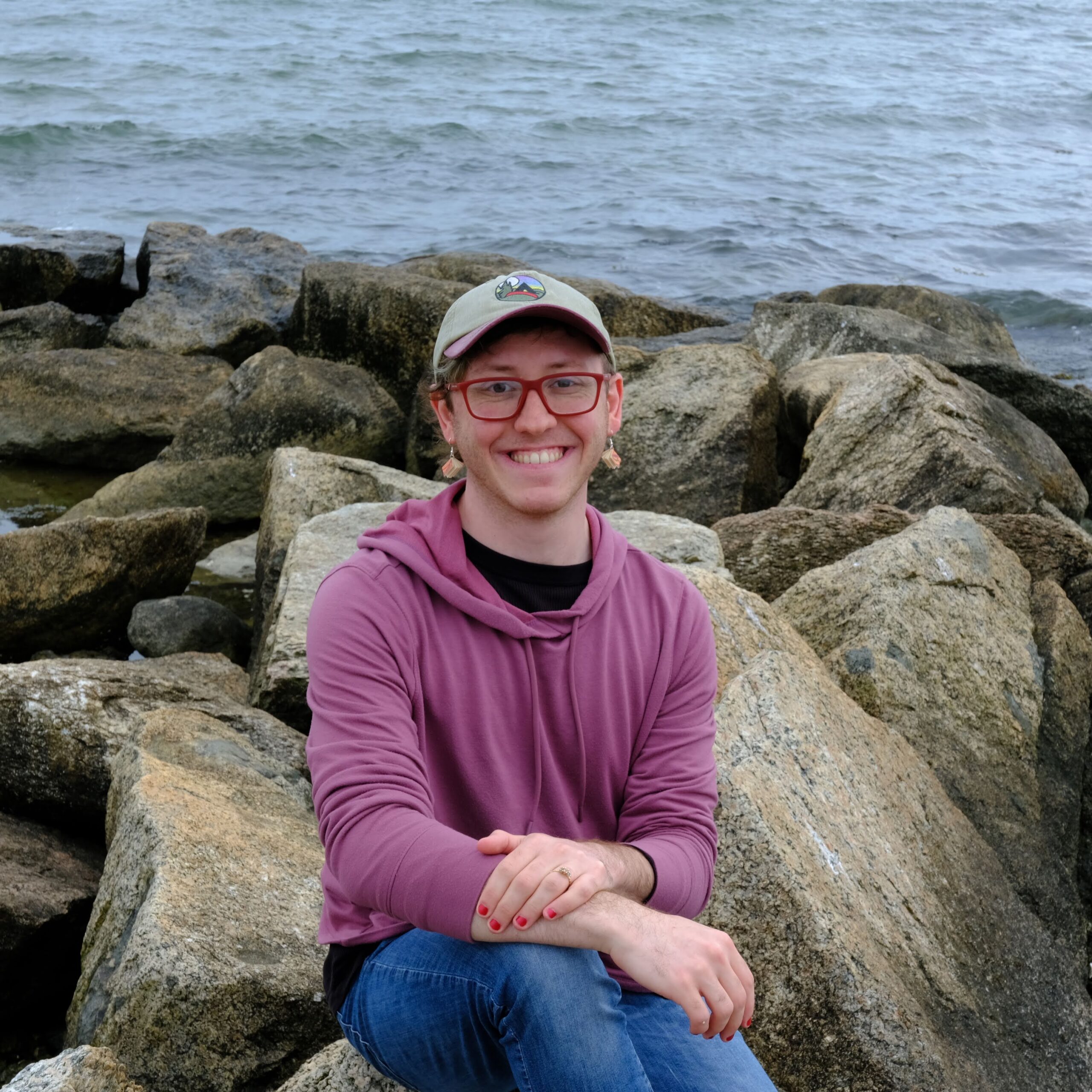
Historian
Author of Listening with Whales Historically
BIO
Max is a PhD Candidate in History at Brown University. Their research focuses on whales, dolphins, and the sensory history of oceanic environments. Their dissertation – “Oceanic Listening: Sound, Cetaceans, and the History of Sensory Environments” – explores how sound has mediated human-cetacean relationships over the past 200 years across extractive, scientific, and aesthetic contexts. “Oceanic Listening” spans histories of whaling labor, dolphin captivity and echolocation research, relationships between marine bioacoustics and U.S. imperialism, and representations of whale song in popular culture. They have published research on the history of fish bioacoustics and ocean noise pollution in Environmental History and on the history of humpback whale song science in Historical Studies in the Natural Sciences. They are also interested in disability studies and the environmental history of disability activism in the 20th-century United States.
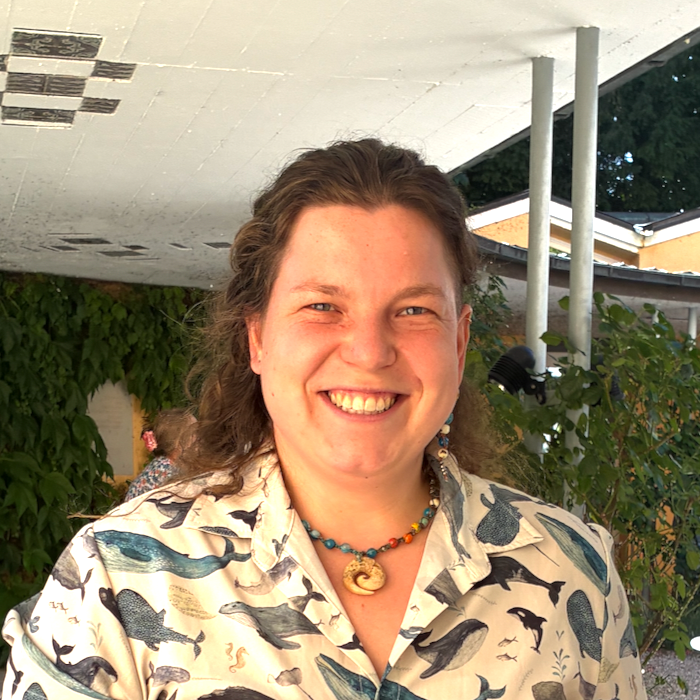
Musicologist • Interspecies Listener
Website Creator • Weaver • Designer • Co-author and author of Listening with Whales Musically, Scientifically, Diffractively, Erosically, Poetically, Becoming Friends with Trees, Grieving with Whales, Orcas, Humpbacks, Humans, & more.
BIO
Marie Comuzzo is a musicologist, environmental activist, and multimedia artist. Comuzzo’s research examines how sound mediates the relationship between humans and whales and the political power that recognizing whales’ vocalization as music had in shaping multispecies kinship within and beyond Western imaginaries. To learn more, check out Marie’s chapter “Listening with Whales: From Silence to Song,” and the shorter post “How Kētos became Whale: Oceanic Cosmologies in Sky and Sea.” Marie is a ACLS/Mellon Dissertation Innovation Fellow and Listening with Whales is part of this project. A PhD Candidate at Brandeis University, Marie holds a Master’s in Musicology from the University of Massachusetts, Amherst, and a Master’s in Women’s, Gender, and Sexuality Studies and Musicology from Brandeis University. Comuzzo also studies fatphobia in classical music. Among other things, Marie tends to a fruit orchard in Sicily, writes poetry, plays violin & sings, makes mosaics, and lives in a multispecies household.
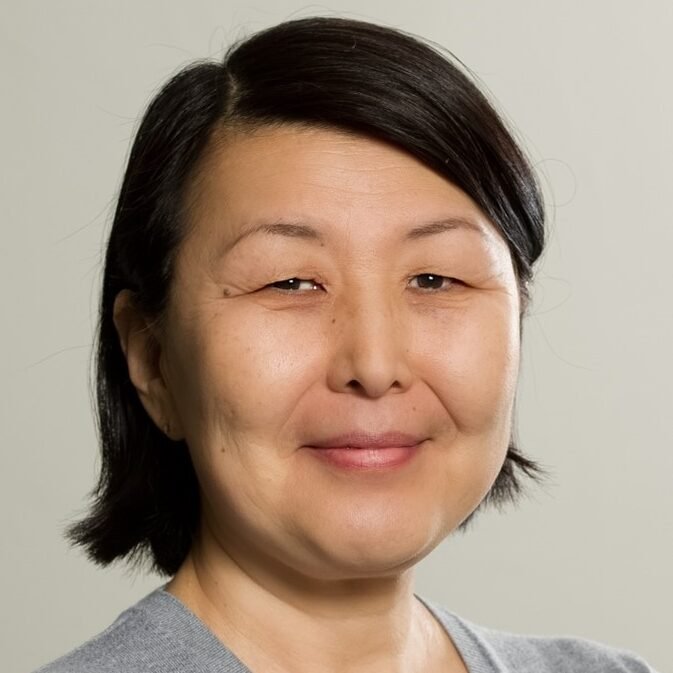
researcher · community-engaged scholar · evaluator · educator · artist
Co-author of Becoming Friends with Trees
BIO
Lena is a PhD Candidate at the School of International Development and Global Studies at the University of Ottawa. She is an Indigenous woman belonging to the Yakut (Sakha) ethnicity from the Republic of Sakha (Yakutia), currently living on the unceded Anishinaabe Algonquin territory. Lena has a BSocSc degree in Sociology and Indigenous Studies and an MA (thesis) in Geography. For her MA thesis, Lena worked collaboratively with the Paulatuk (Inuvialuit Settlement Region, Northwest Territories) community researchers, evaluating the cooking circle program funded by Nutrition North Canada through COVID-adapted community-based participatory research. For her doctoral research project, she examines Indigenous Protected and Conserved Areas in Canada as sites of environmental peacebuilding with a specific focus on Edéhzhíe Protected Area in the Northwest Territories.
Lena is a mother to three wonderful children, a lifelong learner, educator, musician, photographer, and a little bit of an artist. She enjoys hiking, kayaking, painting, gardening, and reading in her free time.
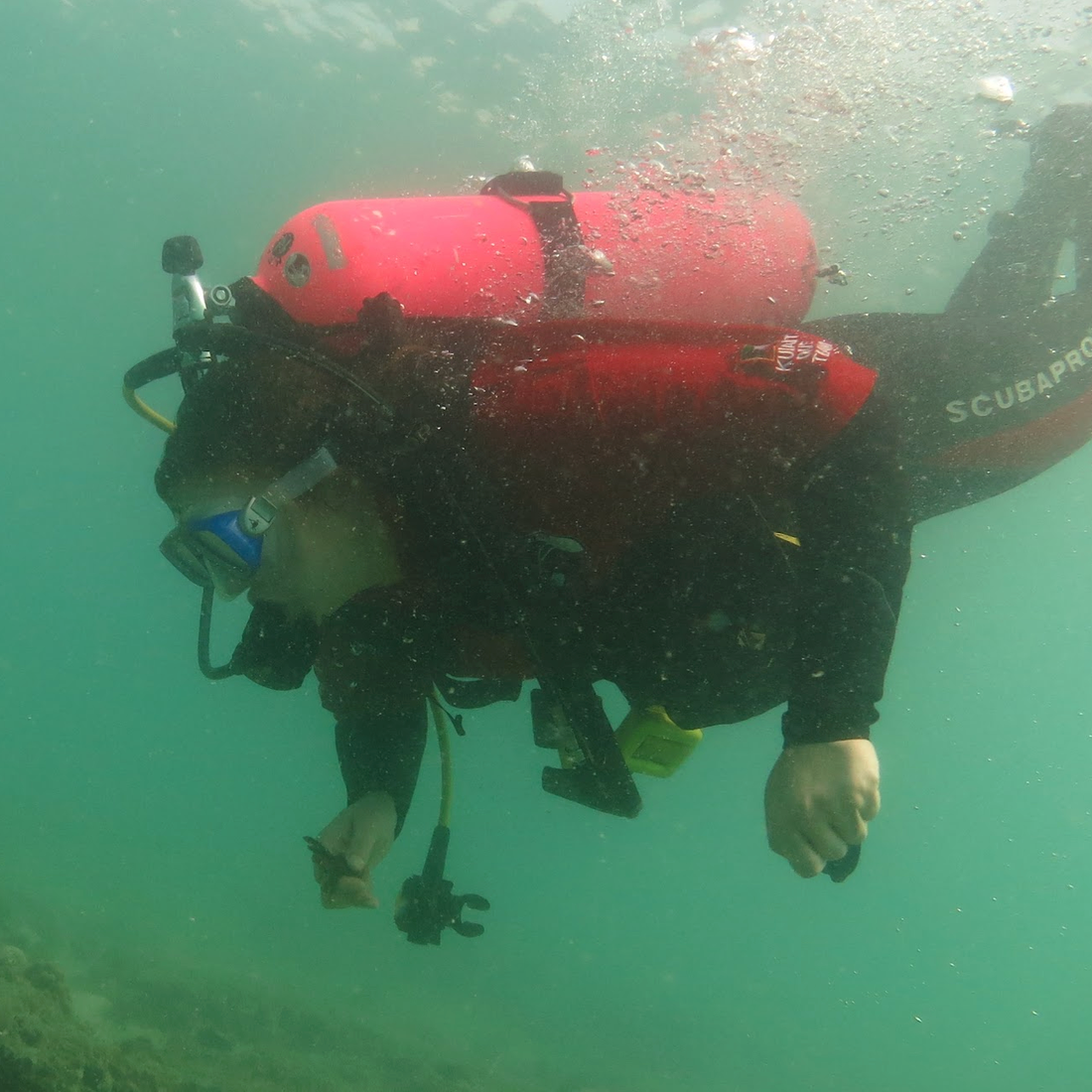
Queer Artist • Political Ecologist • Peace Builder
Co-author of Listening for Peace
BIO
Dr. Rebecca L. Farnum, LLM is an activist, academic, and artist working at the intersections of nature, peace, and justice. Her PhD from King’s College London was one of the first doctoral theses to explicitly examine “environmental peacebuilding.” As a Lecturer in Environment & Security at Queen Mary University of London, Becca teaches and researches issues of transnational conflict, sustainable justice, and environmental racism. In 2014, Becca led a delegation from Edinburgh Law School to The Hague for the reading of the Whaling in the Antarctic (Australia v. Japan: New Zealand Intervening) case at the International Court of Justice, which found Japan’s JARPA II activities in violation of their obligations under international law. The controversies surrounding that case – and Japan’s subsequent withdrawal from the International Convention for the Regulation of Whaling – provide the basis for Becca’s class on “Would You Eat a Whale? The Ocean and International Law”. Becca also offers two courses through Syracuse University Abroad, giving American undergraduates the opportunity to examine international environmental politics. “Green Britain? Science, Devolution, and Climate Controversies in the UK” travels to Cornwall to consider the scalar challenges of marine governance whilst meeting cetaceans in the Celtic Sea. In Norway, students taking “Sustainability on Trial: Environmental Justice in Northern Europe” encounter one of the few places on Earth where buying and selling whale meat is legal. Their experiences in local fish markets inform class debates on eco-ethics, sentience, and ‘natural resources’. As a member of the Kuwait Dive Team, Becca supports ongoing efforts in the Gulf to protect marine ecosystems harmed by violent conflict, human activity, and climate change.
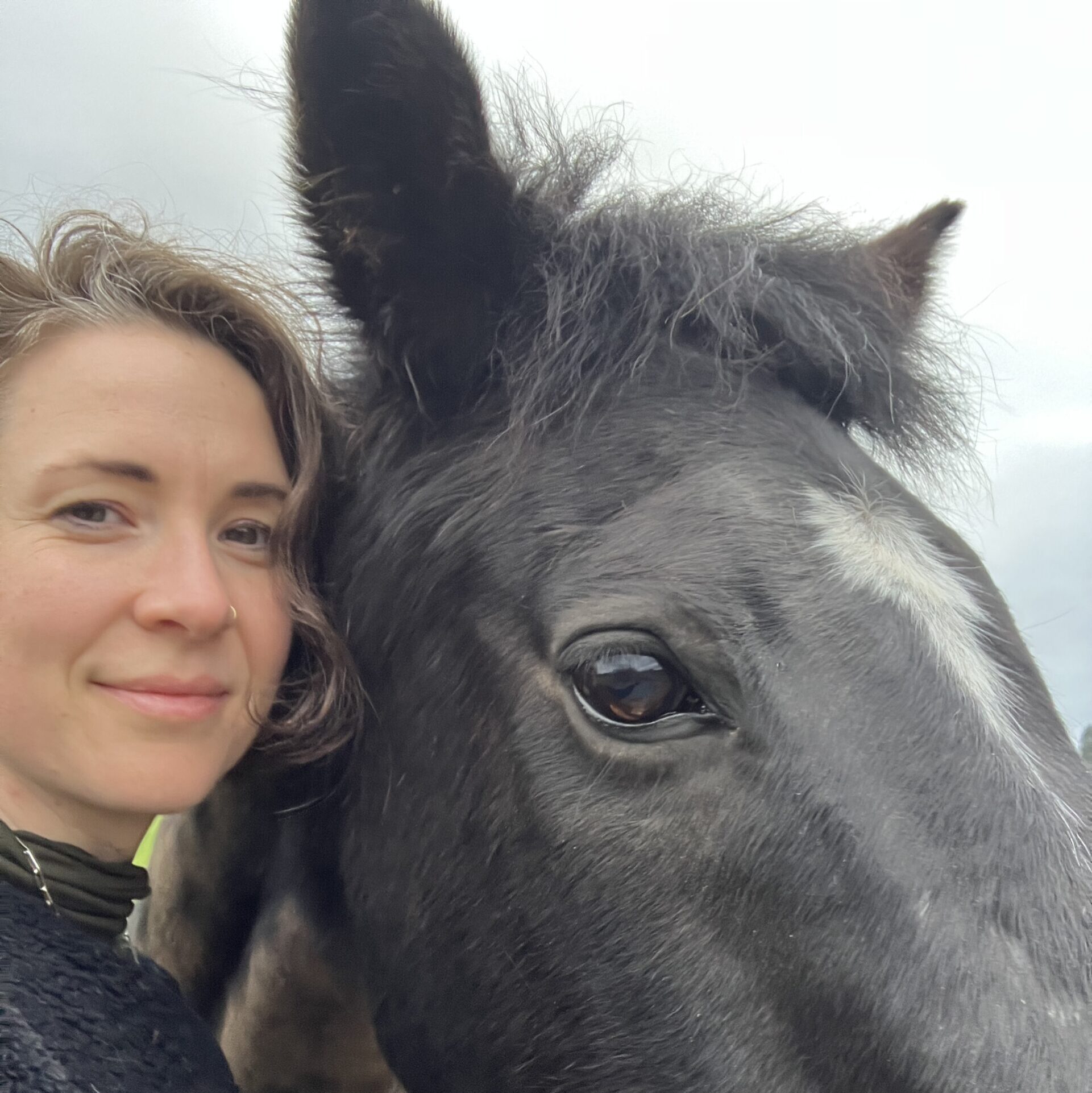
Curator & Interspecies Thinker
Co-author of Listening with Whales Artistically
BIO
Dr Florence Fitzgerald-Allsopp is a UK-based curator, writer and producer across visual arts and performance for many cultural organisations, including Spike Island, Bristol; Hauser & Wirth Somerset; SLQS Gallery, London; Cove Park, Scotland; DAS, Amsterdam; CCA, Glasgow; Ellen de Bruijne Projects, Amsterdam; and In Between Time, Bristol. Florence’s Techne-funded doctoral research (2020-2025) considered the ethics of interspecies relations in contemporary art and performance from an intersectional perspective. Her curatorial approach aims to facilitate more ethical encounters with other species, centring inclusion, and embracing performance methods to encourage alternative modes of attention to the nonhuman world. As the recipient of the Spike Island and Hauser and Wirth Engagement Fellowship for South West-based Curators 2025-2026, Florence curated the year-long engagement programme Ecotones: Where the Urban & Rural Embrace. In 2025 she was awarded a grant by the Culture & Animals Foundation, New York, to curate the programme Interspecies Entanglements for SLQS London. Florence’s writing has been commissioned by artists and galleries internationally, including SLQS Gallery, London; Co-Prosperity, Chicago; Handmark, Australia; and K-Gold Temporary Gallery, Greece. Her book Interspecies Performance, co-edited with Laura Cull Ó Maoilearca, was published in 2024 by Performance Research Books.
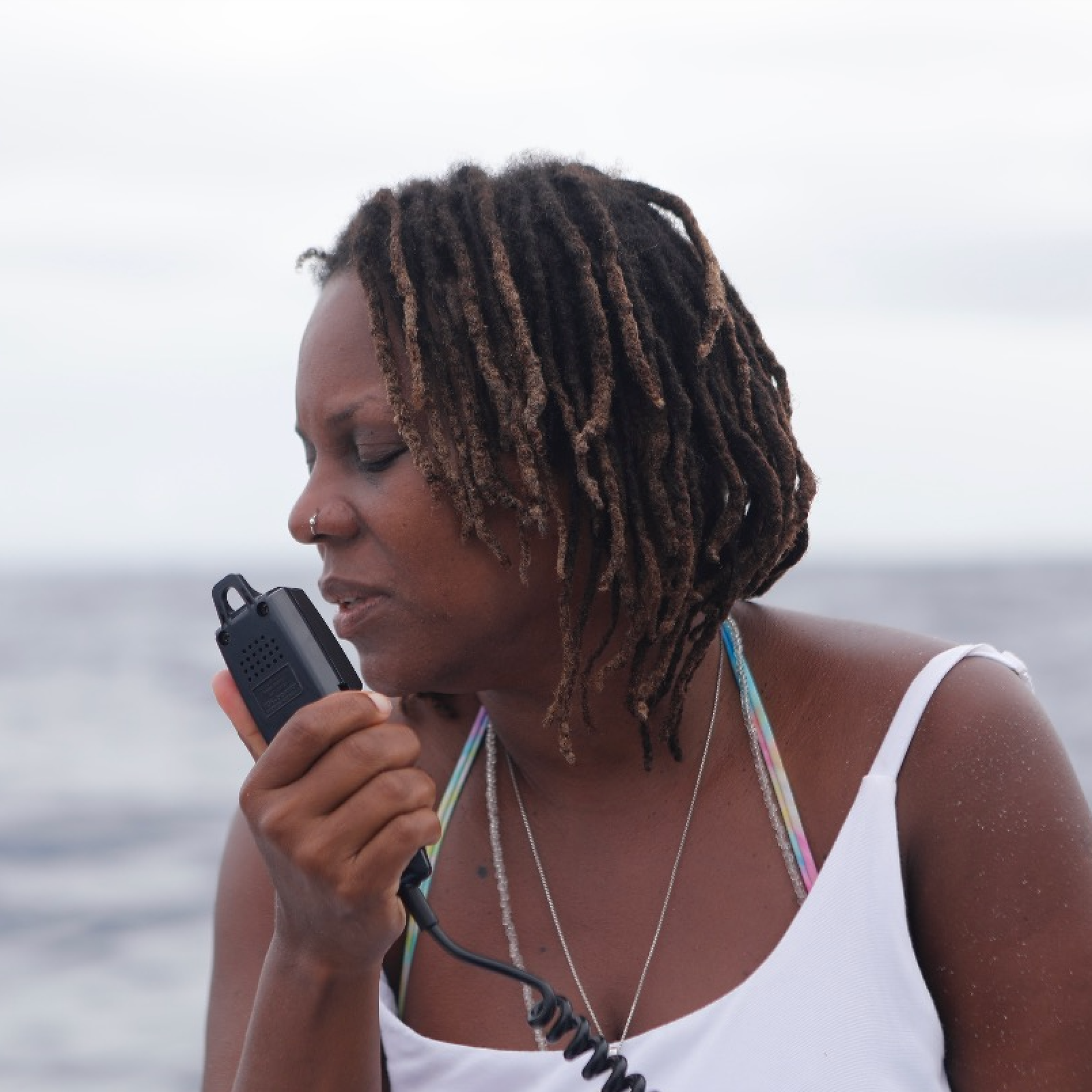
Vocalist • Healer • Writer & Whale whisperer
Contributions on Listening with Whales Musically & Ancestrally
BIO
Michaela Harrison is an international vocalist and healer whose career is rooted in relaying the transformational power of music and supporting others in accessing the healing energy available in nature through ritual and creative practices. She holds a bachelor’s degree in International Affairs and a master’s in Africana Studies. After nearly two decades of calling New Orleans home, Michaela has returned to her native Washington, DC, and continues to spend time in Brazil, where she has headlined music festivals and performs at various venues and events. She has toured and recorded extensively, performed at and co-facilitated numerous workshops and retreats, and is currently engaged in a project called Whale Whispering, a musical collaboration on water, healing and ancestry with humpback whales based in Bahia, Brazil.
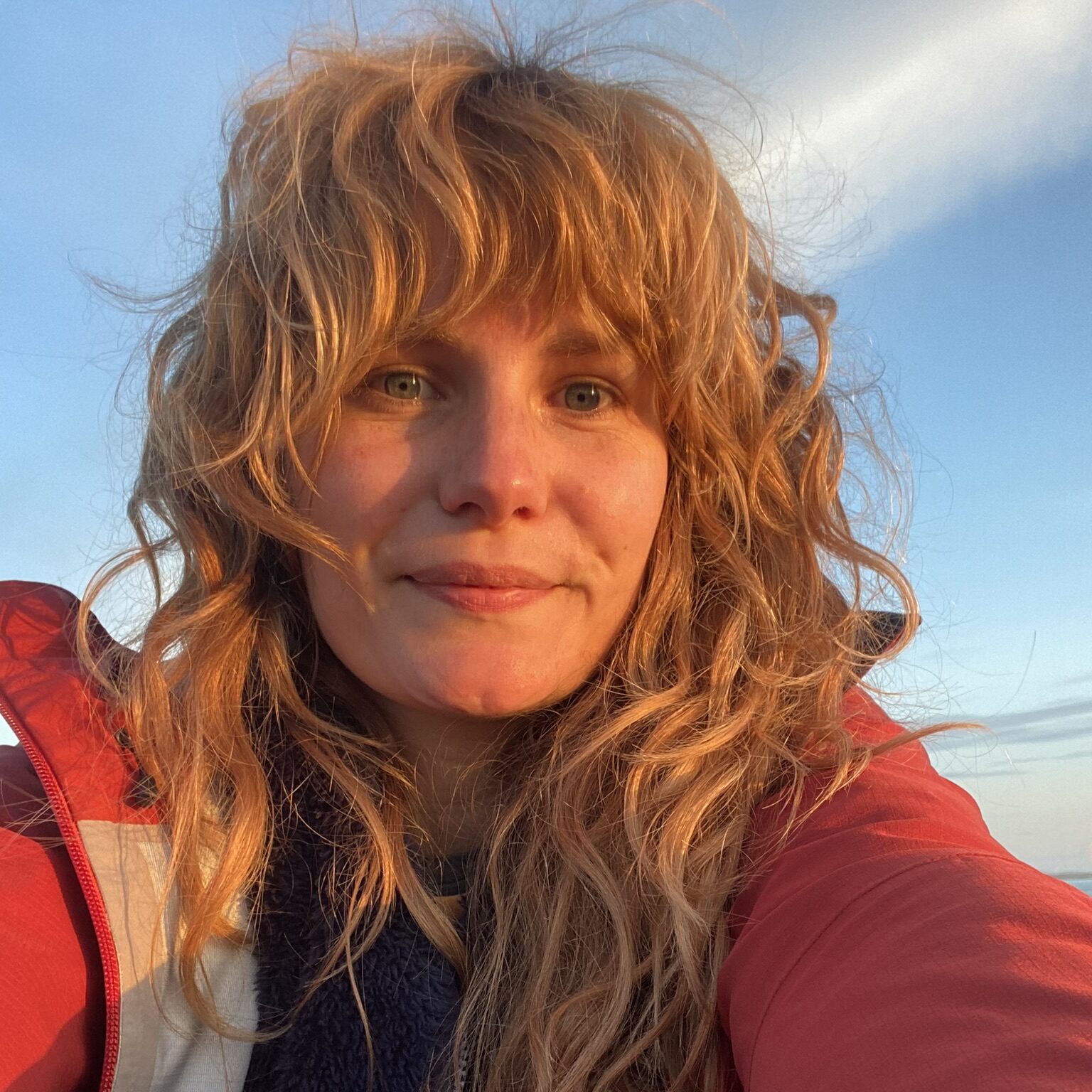
Art historian • postcolonial theorist • art critic • interspecies ecologies
Co-author of Listening with Whales Artistically
BIO
Tessel Janse combines her background in art history with post- and decolonial thought and human-animal studies. She works as an educator and art critic and is currently based in the Netherlands. Her research focuses on contemporary forms of colonialism that work through, and upon, relations of interdependence between humans and animals, looking towards art as a method for developing decolonial interspecies ecologies. Her recent PhD centred on (were)tigers and collective memory, forced reindeer culls as instrument of settler colonialism in the North, and listening to whales in the wake of imperialism. A shortened version of her chapter on whales can be found in the article “Whales, AI and the Right to Opacity: Decolonising Interspecies Communication in the Work of Ariel Guzik.” Tessel has an MA in Postcolonial Culture and Global Policy from Goldsmiths, University of London, where she also completed her PhD in Media, Communications and Cultural Studies. She has taught in postcolonial theory, media studies and comparative literature both there and in the Netherlands. Her writing is published in Third Text, the edited volume Interspecies Performance, Metropolis M and Kunstlicht.
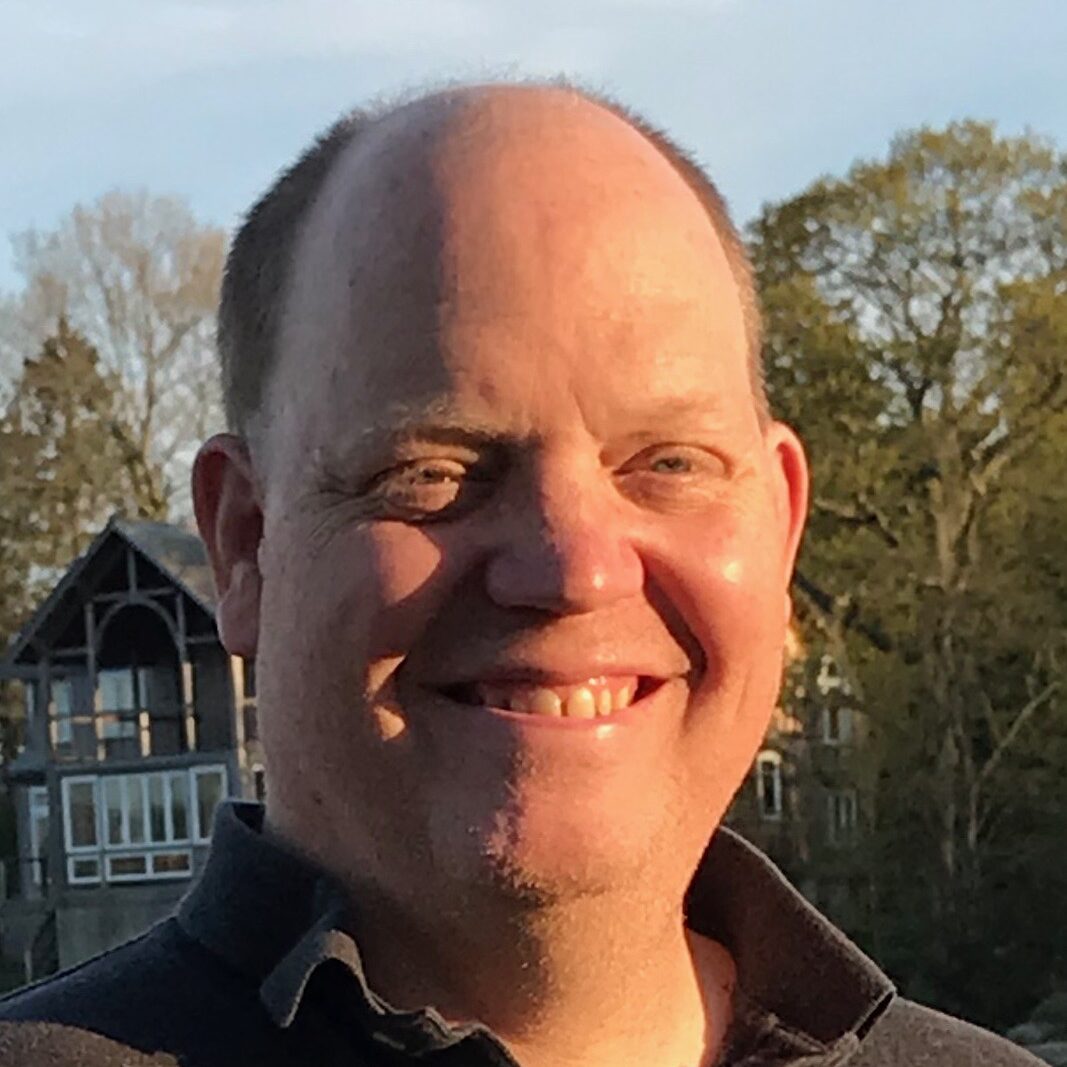
Swimmer • Poet • Blue Humanities Critic
Contributor of Listening with Whales Poetically
BIO
Steven Mentz is Professor of English at St. John’s University in New York City. An open-water swimmer, poet, writer, and water-activist, he has written numerous scholarly books, including An Introduction to the Blue Humanities (2023), Ocean (2020), and At the Bottom of Shakespeare’s Ocean (2009). Books of poetry include Sailing without Ahab (2024), Swim Poems (2022), and Two Crossings (2025). He has edited or co-edited numerous collections of essays and published many scholarly and public humanities articles. Current projects include a book about ocean swimming as eco-meditation for the Anthropocene and the forthcoming Bloomsbury Handbook to the Blue Humanities. He (still) blogs at The Bookfish and occasionally tweets @stevermentz.
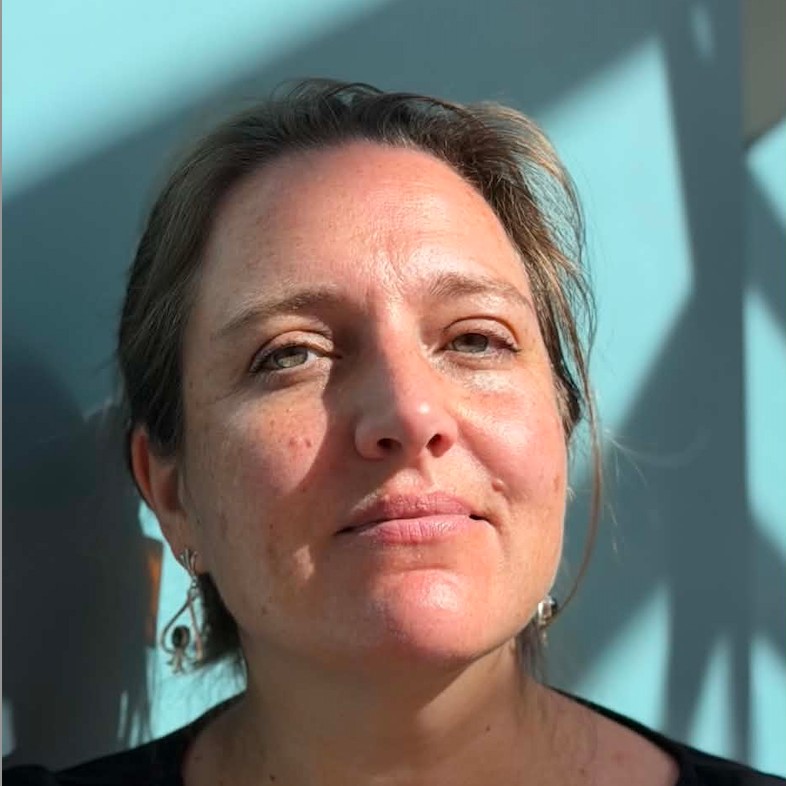
PERFORMANCE PHILOSOPHER • ARTIST • EDUCATOR
Contributor of Listening with Whales Artistically, Poetically, & Erosic Attuning
BIO
Prof. dr. Laura Cull Ó Maoilearca is Lector/Head of the Research Group at the Academy of Theatre and Dance in Amsterdam, and holds a special Chair in Performance Philosophy at the University of Amsterdam. Her books include: Interspecies Performance (2024) co-edited with Florence Fitzgerald-Allsopp; and the expanded publication project An [Interrupted] Bestiary (2022) developed in the context of the UKRI-funded research project Performance Philosophy & Animals: Towards a Radical Equality (2019-2022). Her work specifically on whales includes the zine, “With whales, singing: Letters on disability, animality and voicing” (2025), co-authored with Mira Thompson with drawings by Nicolai Schmelling.
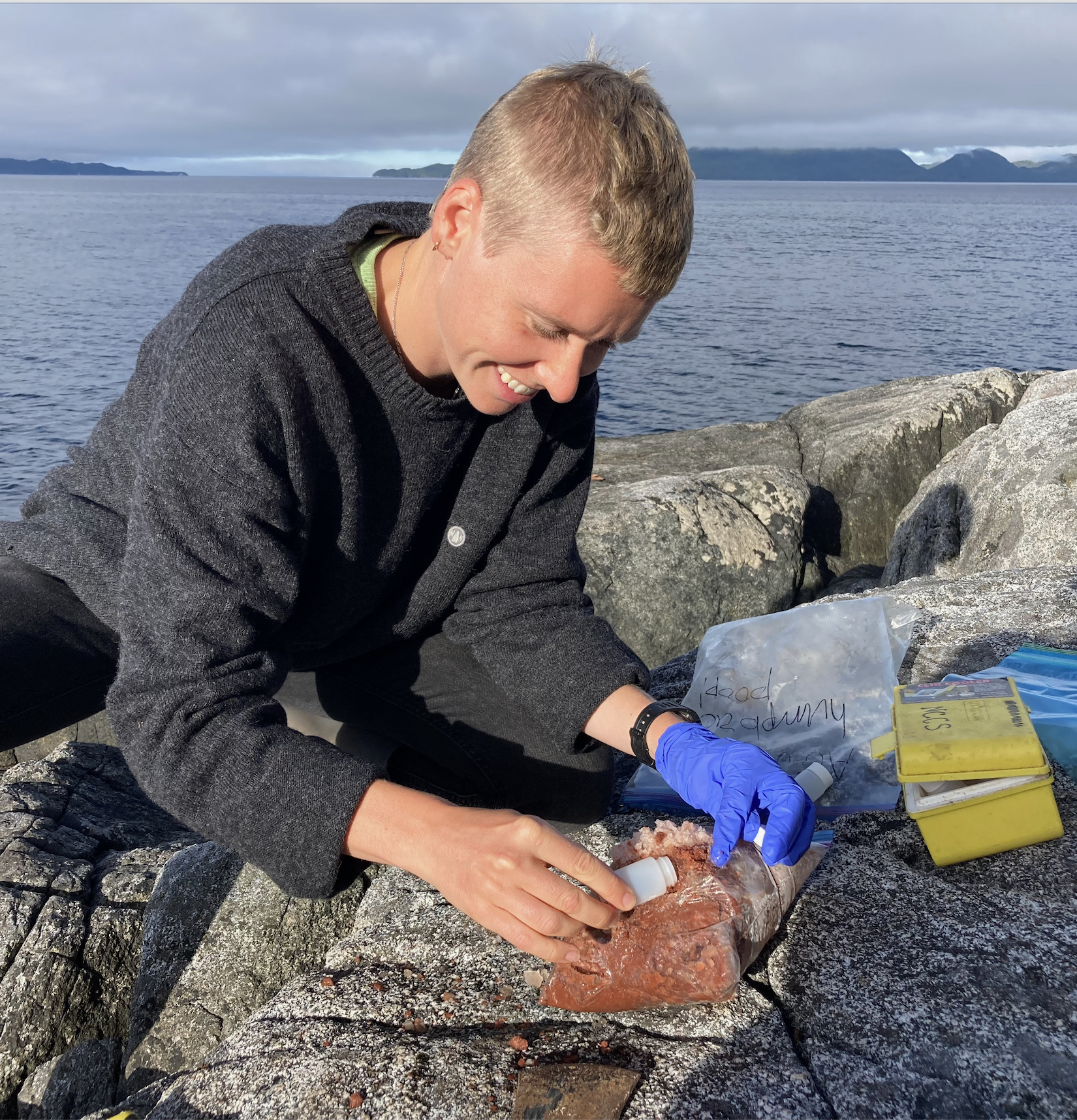
Ecologist • Conservation Biologist • Wildlife Geneticist
Co-author of Listening with Whales Scientifically
BIO
Dr. Éadin O’Mahony is a marine mammal ecologist working at the intersections of science, culture, and care. Her research explores how we might listen differently to whales—through breath, behaviour, genomes, and relationships—by developing non-invasive methods such as drone-based blow sampling. Working across the North Atlantic and Northeast Pacific, she collaborates closely with coastal and Indigenous communities to support more just and inclusive forms of ocean stewardship. Éadin is interested in whales as social, cultural, and communicative beings, and in how scientific listening can be reshaped through humility, reciprocity, and collaboration beyond academia.
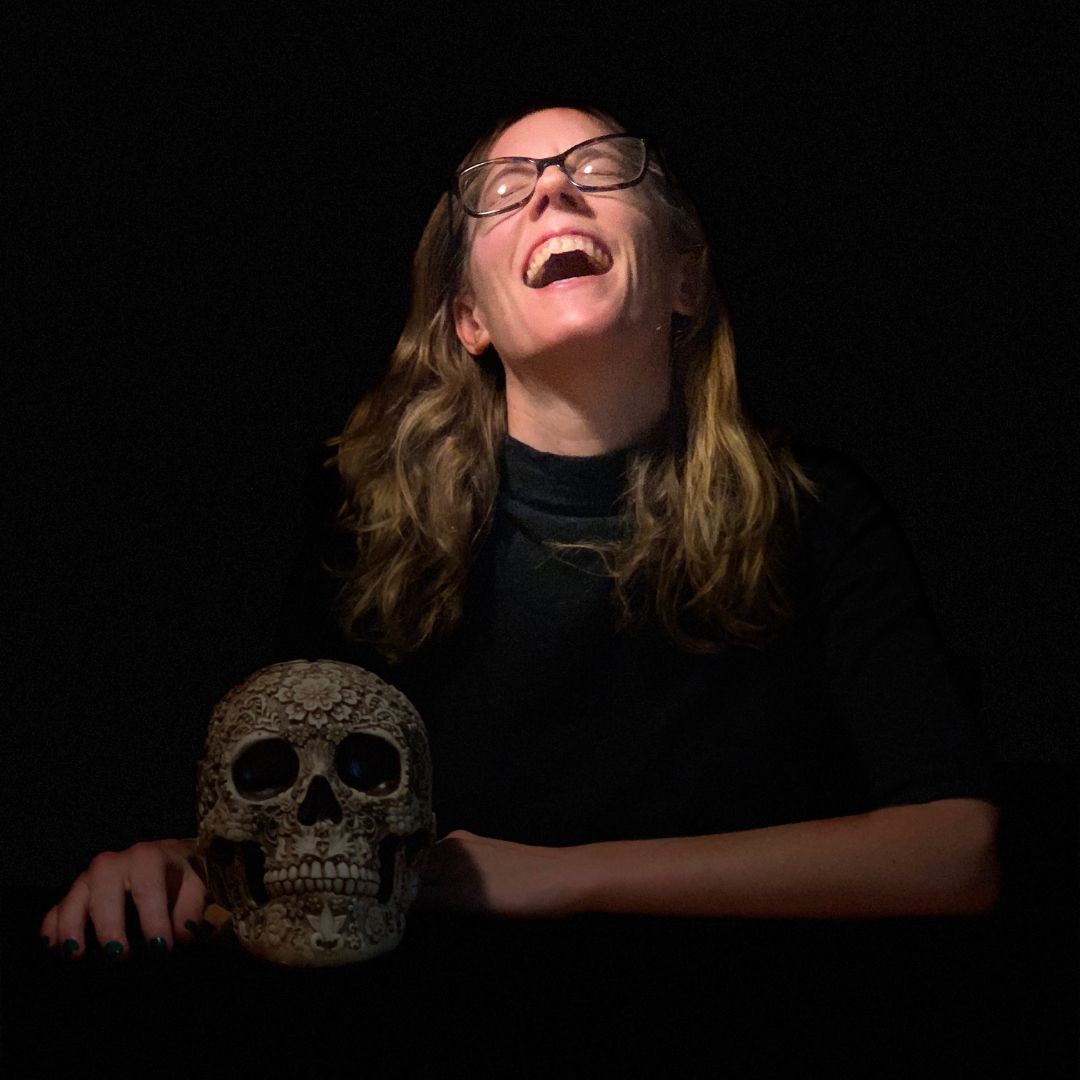
Musicologist
Co-author of Listening with Whales Erosically and Grieving with Whales
BIO
Marianna Ritchey is Associate Professor of Music History at the University of Massachusetts, Amherst. She writes on an array of topics having to do with cultural production, education, and political change. Her first book, Composing Capital: Classical Music in the Neoliberal Era (Chicago, 2019) examines some of the ways U.S. classical music culture operates via certain capitalist ideologies concerning individualism, competition, technological innovation, and a Weberian commitment to the notion that success equals virtue. She has also written and published several articles investigating music and political imagining, including a Current Musicology article suggesting that musicologists should reapproach the discredited value of musical autonomy from an explicitly anarchist perspective; a Music & Politics article performing a materialist critique of elite U.S. classical music institutions’ social justice initiatives; and an Open Access Musicology article introducing Marxism to music history undergraduates. Her second book, Academic Practice for the End of the World, will be published on Wesleyan University Press in spring 2027. Ritchey’s theoretical ideas have evolved within and alongside her participation in abolitionist and mutual aid projects in her community of Greenfield, Massachusetts.
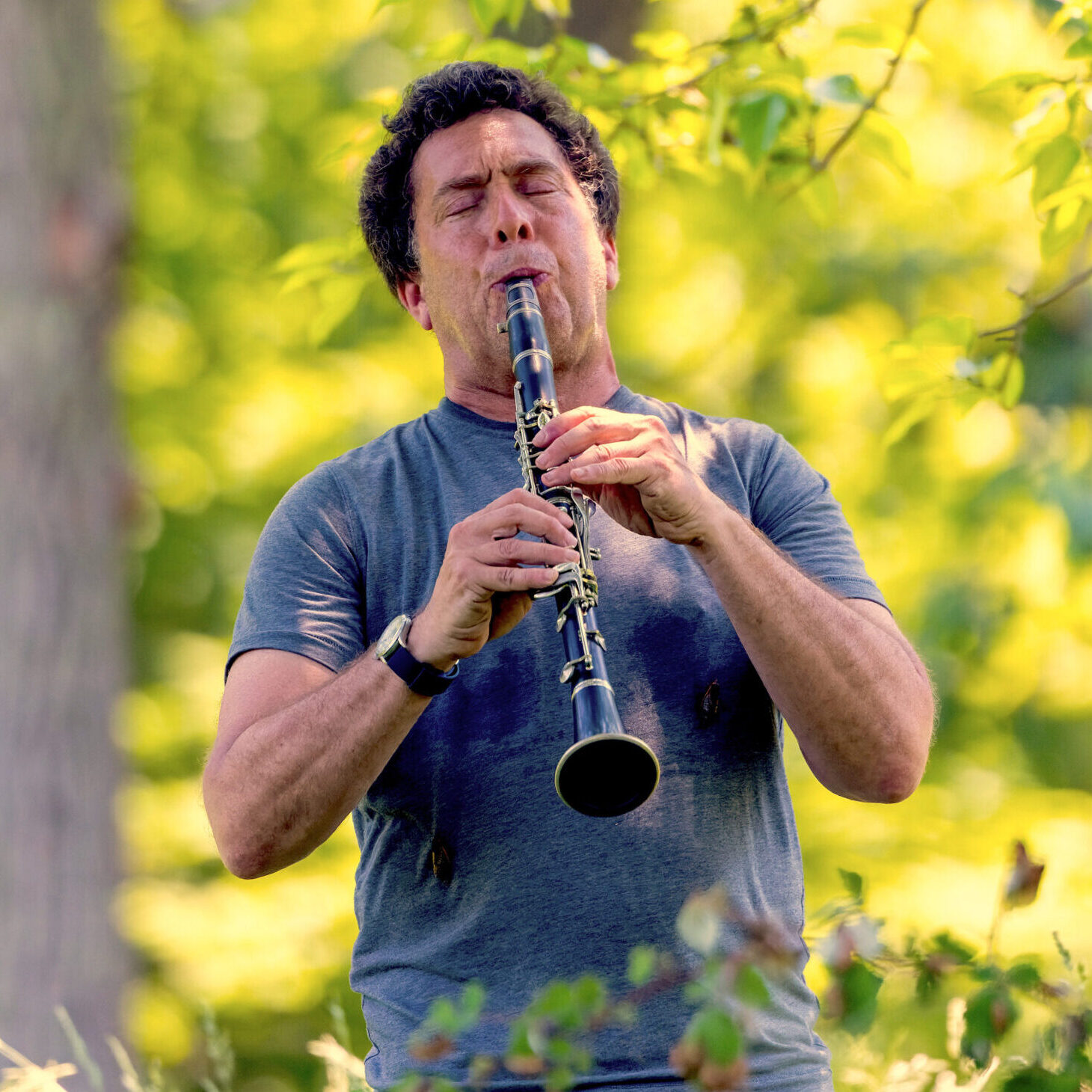
Interspecies Musician • Writer • Philosopher
Contributor of Listening with Whales Musically
BIO
Musician and philosopher David Rothenberg wrote Why Birds Sing, Bug Music, Survival of the Beautiful and many other books, published in at least eleven languages. He has more than forty recordings out, including One Dark Night I Left My Silent House which came out on ECM, and more recently Just Leave It All Behind and Lost Steps. He has performed or recorded with Pauline Oliveros, Peter Gabriel, Ray Phiri, Suzanne Vega, Scanner, Elliott Sharp, Umru, Iva Bittová, and the Karnataka College of Percussion. In 2024 he won a Grammy Award as part of For the Birds, in the category of Best Boxed Set. Whale Music and Secret Sounds of Ponds are his latest books. Nightingales In Berlin and Eastern Anthems are his latest films. His piece Eleven Paths to Animal Music premiered at the Sammlung Hoffmann in Berlin in 2025. Rothenberg is Distinguished Professor at the New Jersey Institute of Technology.
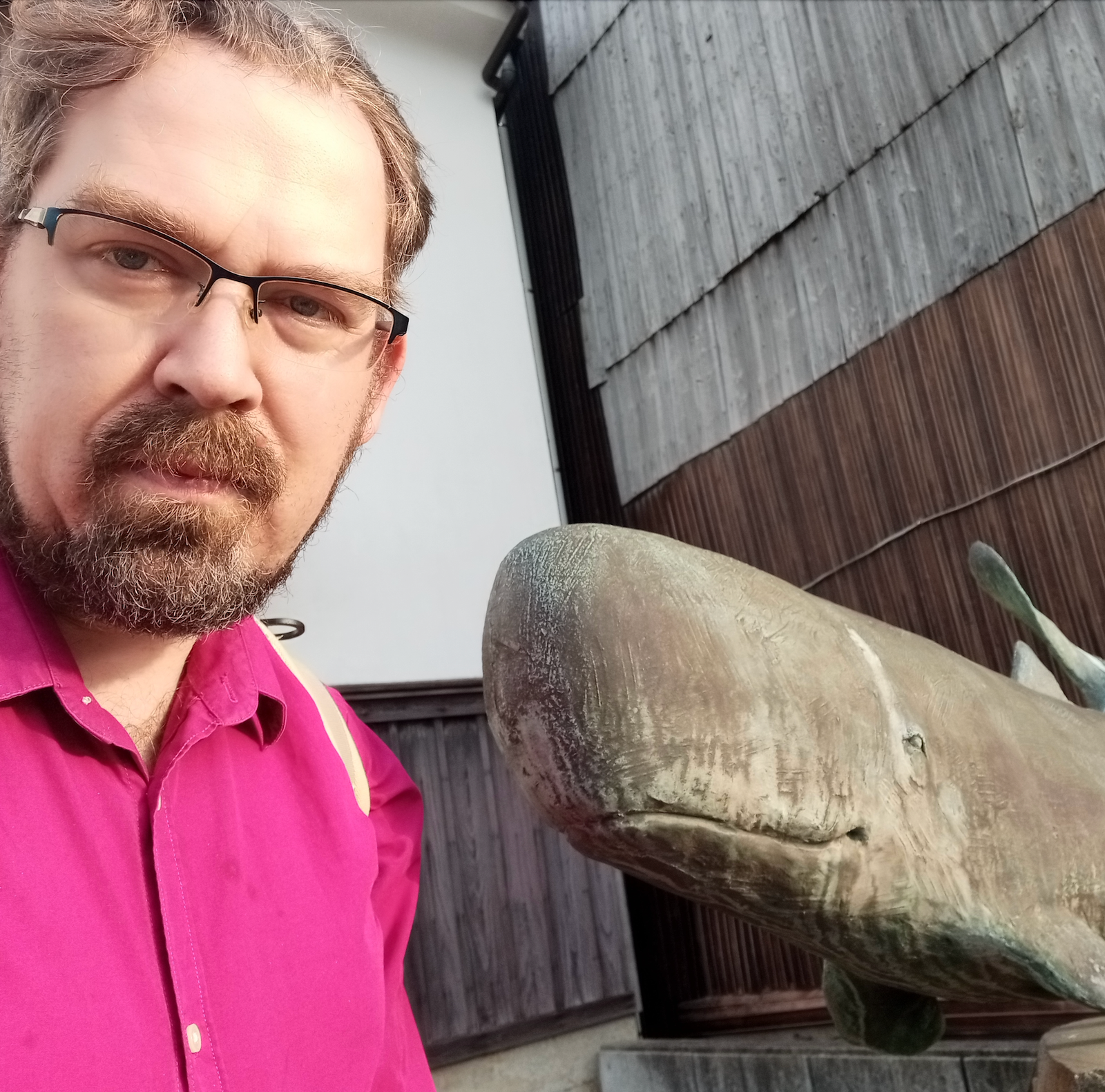
Scholar of religion • Asianist • Environmental humanities scholar
Contributor of Listening with Whales Ancestrally
BIO
Aike P. Rots is a Professor of East Asian Religions at the University of Oslo. In his research and teaching, he combines insights from religious studies, anthropology, critical heritage studies, and environmental humanities. He is the author of Shinto, Nature and Ideology in Contemporary Japan: Making Sacred Forests (Bloomsbury 2017) and co-author of Animating Action: Changing the World with Anime, Rituals, and Robots (University of Hawai‘i Press 2026). He has also co-edited several books and special issues, including Water Powers: Sacred Aquatic Animals of the Asia-Pacific (University of Hawai‘i Press 2026), which contains several chapters on marine mammals. From 2019 to 2025, he was PI of the ERC-funded project “Whales of Power: Aquatic Mammals, Devotional Practices, and Environmental Change in Maritime East Asia”, which among other things led to the publication of journal articles on Japanese whale festivals and whaling heritage as well as Vietnamese whale worship. In 2026, he started two new research projects that investigate popular goddess worship, ritual transformations, and environmental change across maritime East and Southeast Asia.
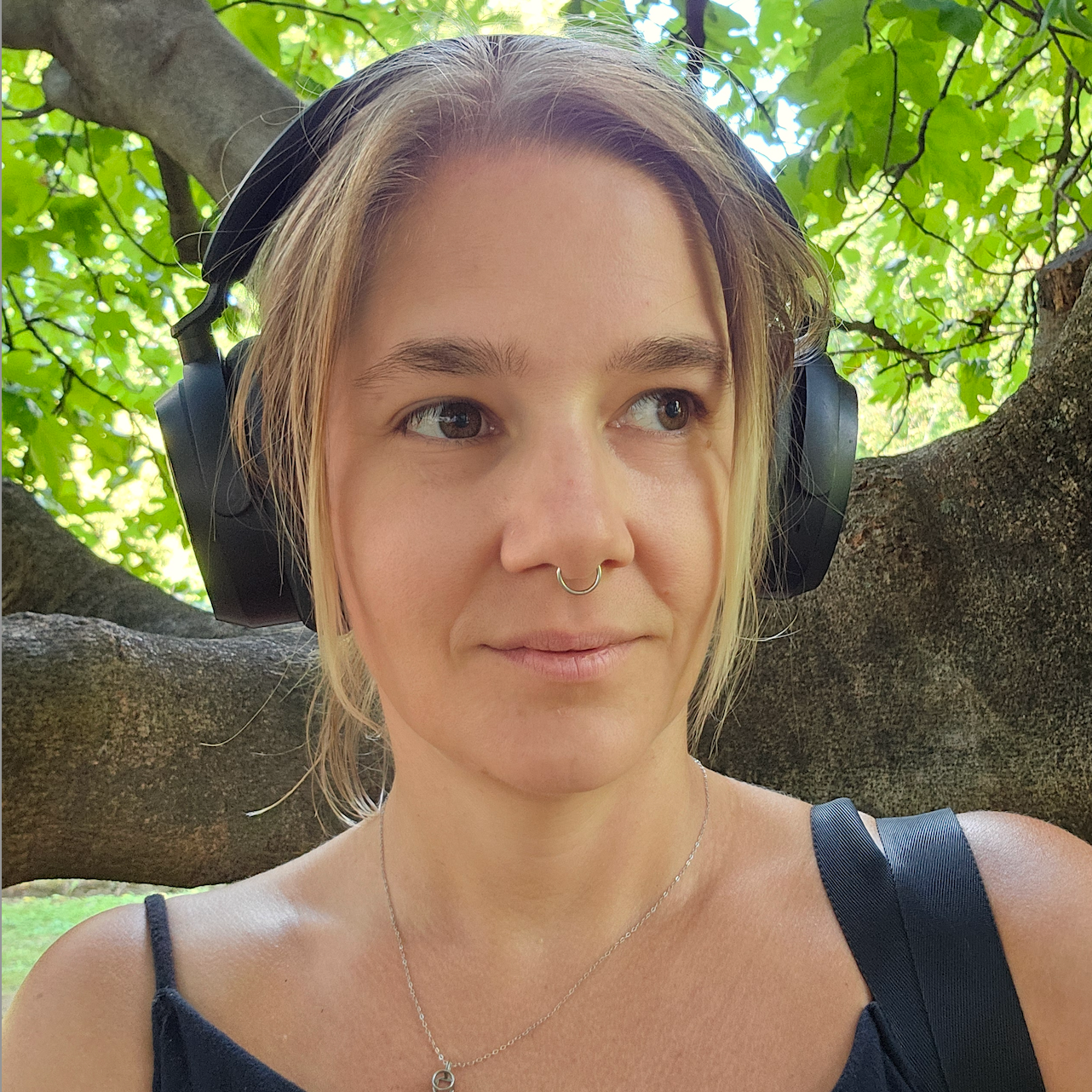
literary scholar • environmental humanist
Co-author of Orcas
BIO
Teja Šosterič is a Slovenian literary scholar and environmental humanist. After finishing her MA in American literature in Prague, Czechia, she briefly lived in Greece before starting her PhD at the Rachel Carson Center in Munich, Germany. She is currently a postdoctoral researcher at the comparative literature department at LMU Munich and editor-in-chief of Environmental History Now, an online FLINTA* platform for environmental humanities and environmental history. Her research is rooted in narratives and literary analysis, focusing on neoliberalism, climate fiction, and animals. Teja can be found on Instagram, where she mostly posts tattoos, queer stuff, cats, and crafts.
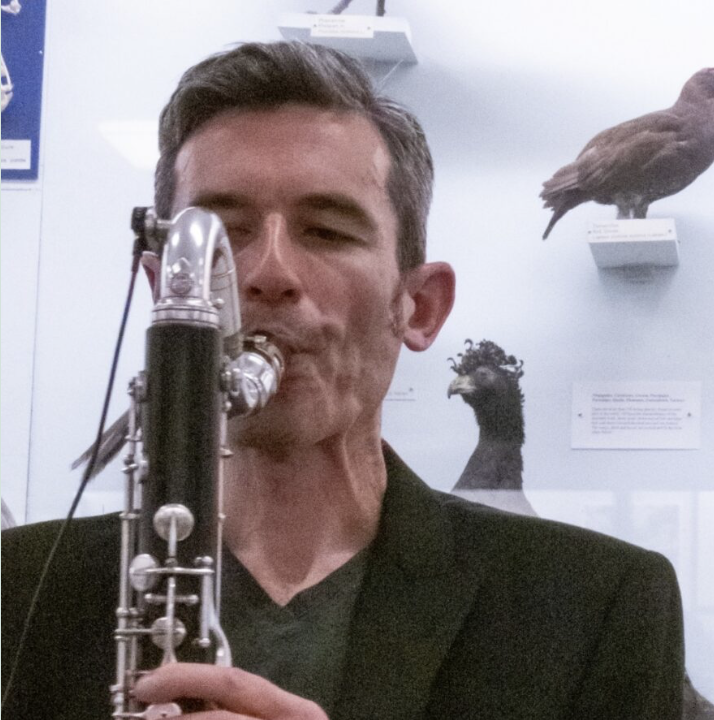
Musician • Ecomusicologist • Bioacoustician
Author of Pilot Whales, co-author of Listening with Whales Scientifically and Musically, and contributor to Grieving with Whales.
BIO
Based in Scotland, Alex South is a musician and researcher inspired by the sounds of the more-than-human world. He creates and performs live music for clarinets and electronics, often in multi-artform collaborations, and teaches at the Royal Conservatoire of Scotland and University of St Andrews. In his compositional work he aims to produce musical experiences that highlight the wonderful, varied, and startling sounds of other animals, and are underpinned by rigorous research into animal communication. Alex’s recent Postdoctoral Fellowship at IASH (University of Edinburgh) was focused on the role of musicians in interspecies grieving practices. His PhD dissertation, Cetacean Citations (2024), combined practice-led research from the perspectives of ecomusicology and zoömusicology with bioacoustical analysis of the rhythms of humpback whale song. Listen to the Cetacean Citations portfolio here.
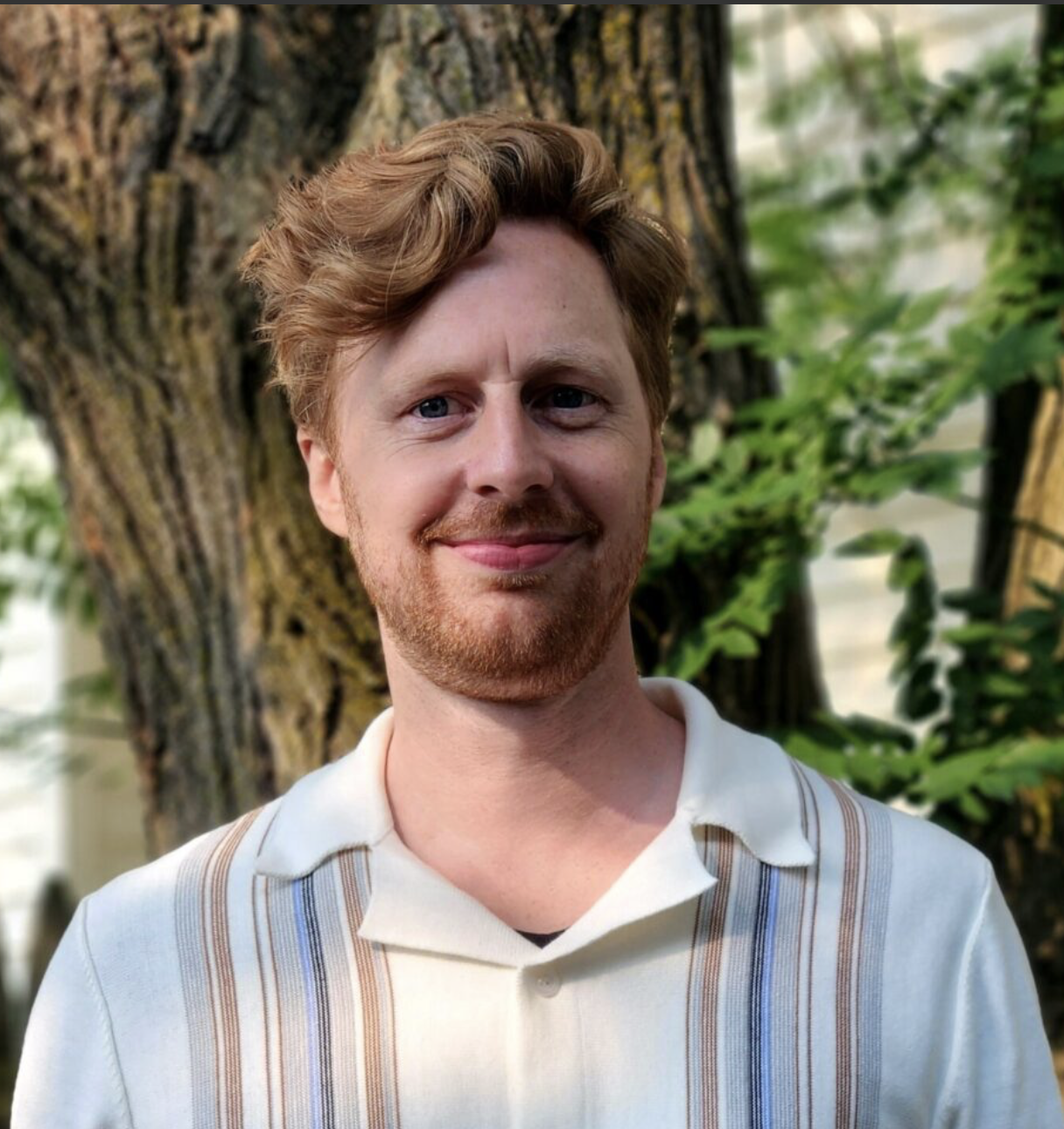
Scientist
Author of Beaked Whales and co-author of Listening with Whales Scientifically
BIO
Eric is a postdoc at the Yang Center for Conservation Bioacoustics at Cornell University. His current research is in using Distributed Acoustic Sensing – fiber-optic cables repurposed as acoustic listening devices– to detect and monitor whale populations. He did his PhD at Scripps Institution of Oceanography, where he studied deep-diving beaked whale behavior using acoustic localization with arrays of hydrophones. Eric has a long-held passion for sound, both musically and scientifically, and is always interested in finding ways to bridge those two aspects of acoustics.
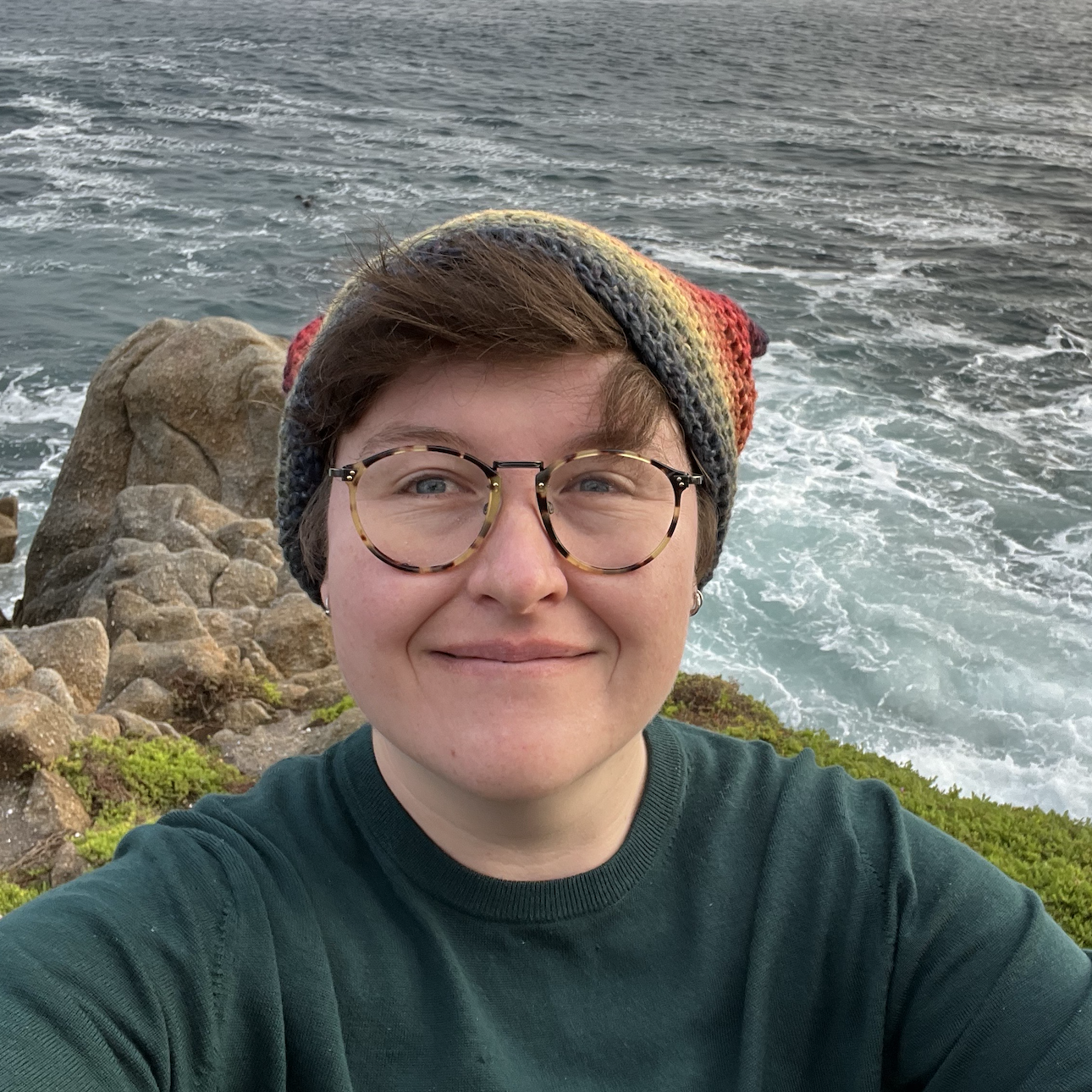
Philosopher • ecosopher
Co-author of Listening with Whales Diffractively
BIO
Wer is a doctoral candidate in philosophy at Nicolaus Copernicus University. Their dissertation argues for an affective turn in academic practice as an anti-fascist micropolitics, drawing on feminist new materialisms (Barad, Braidotti, Neimanis, Tsing), Deleuze-Guattarian schizoanalysis, and post-qualitative inquiry to move knowledge production beyond representationalism toward embodied, experimental, and ethico-onto-epistemological practice. Alongside the dissertation, they are developing a project on situated interspecies microhistories of care, play, and cooperation. Born and raised by the Baltic Sea in Tricity, Poland, Wer has trained as a competitive swimmer for most of their life and currently serves as a swimming referee. This kinesthetic relation to water guides their research as a method.
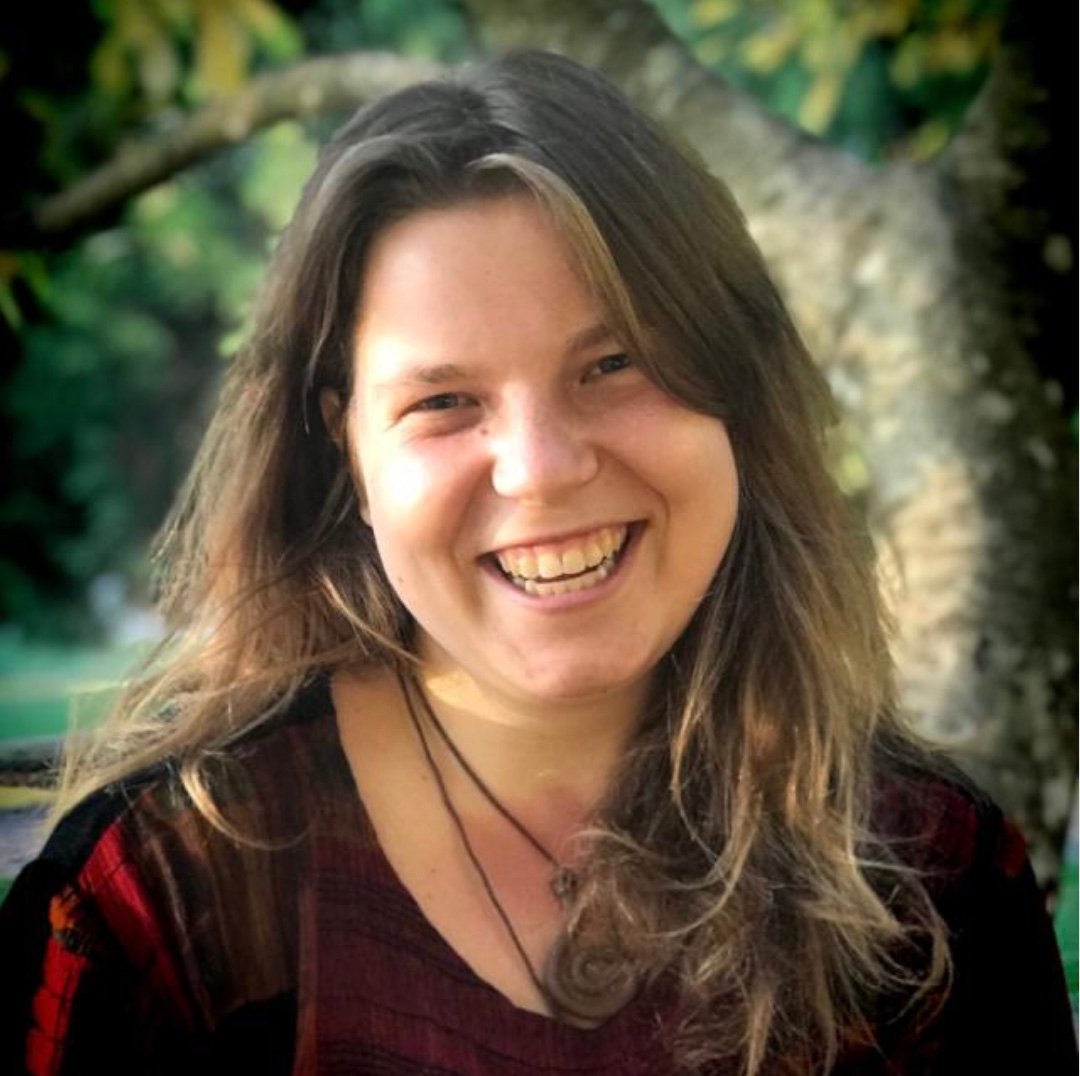
Ethnomusicologist
Co-author of Listening with Whales Musically & author of Bowheads & Gray Whales
BIO
Finn Woodson-Gammon, PhD, works at the intersection of acoustic ecology, ethnomusicology, and environmental policy. Their research explores questions of touch, material, and care in sound, from the tactile relationship between musicians and the wood of violin-family instruments to an embodied ethics of listening to cetaceans, with work published and forthcoming in peer-reviewed journals and edited volumes. Finn has presented this research at conferences across the United States, the Czech Republic, and Germany.
“You do not carry this all alone”
Digital Stewards
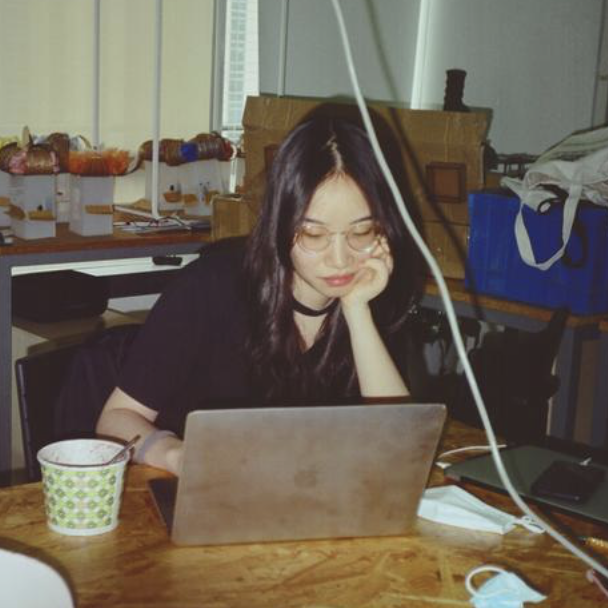


Agata Sawicka
(she/her)
Website Architect Consultant
Contact & Collaborate
Would you like to contribute a page, art, a poem, a piece, a song, or anything else? Send us an email to join & collaborate, or fill out this form.