“Where whales lead, people follow. Tere Tohorā, Tere Tangata.”
– Ancient Māori Proverb
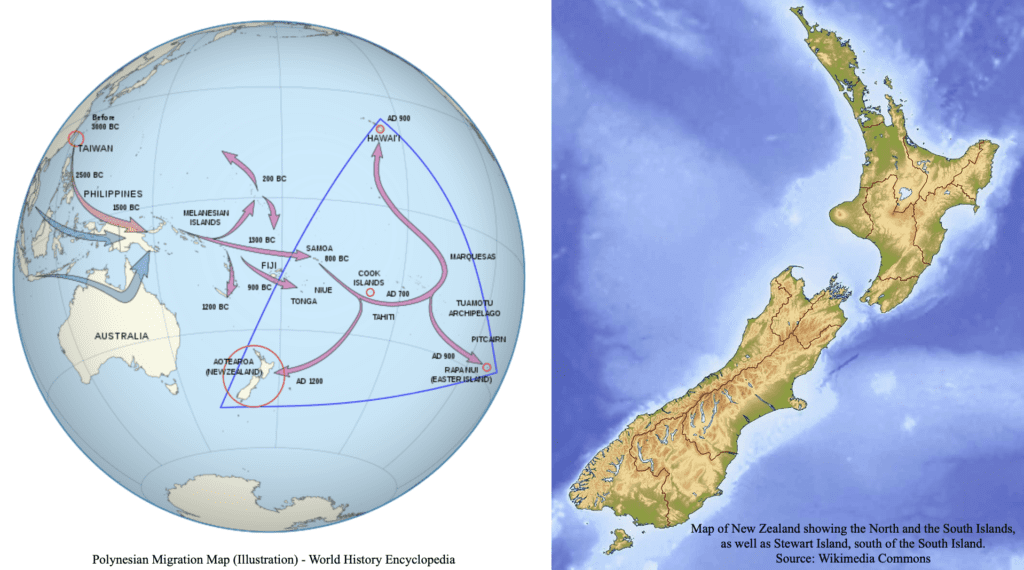
All the way across the world, in the middle of the Pacific Ocean, surrounded by thousands and thousands of miles of water, stands Aotearoa, a double hooked island discovered in the 13th century by early Polynesians.
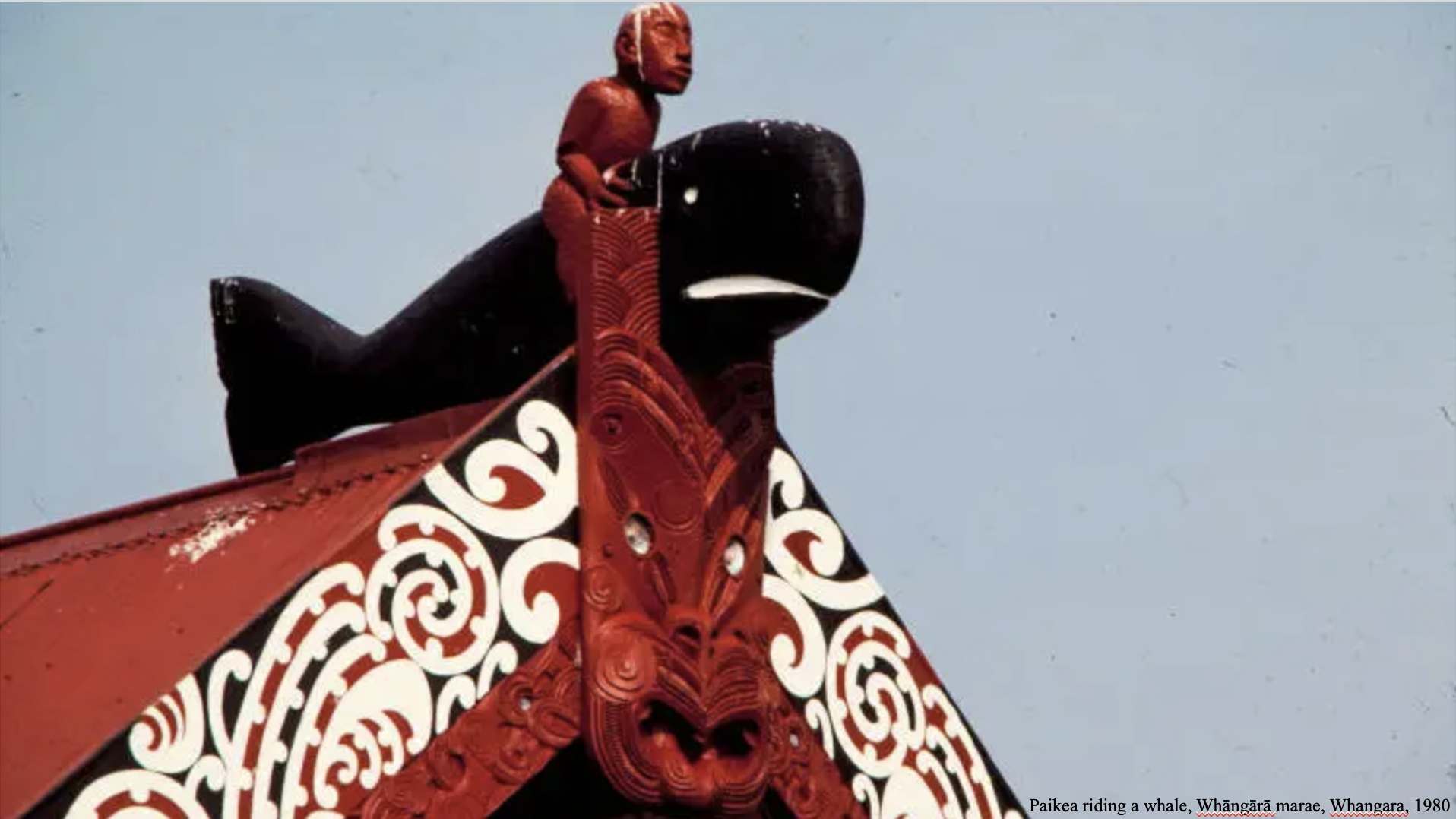
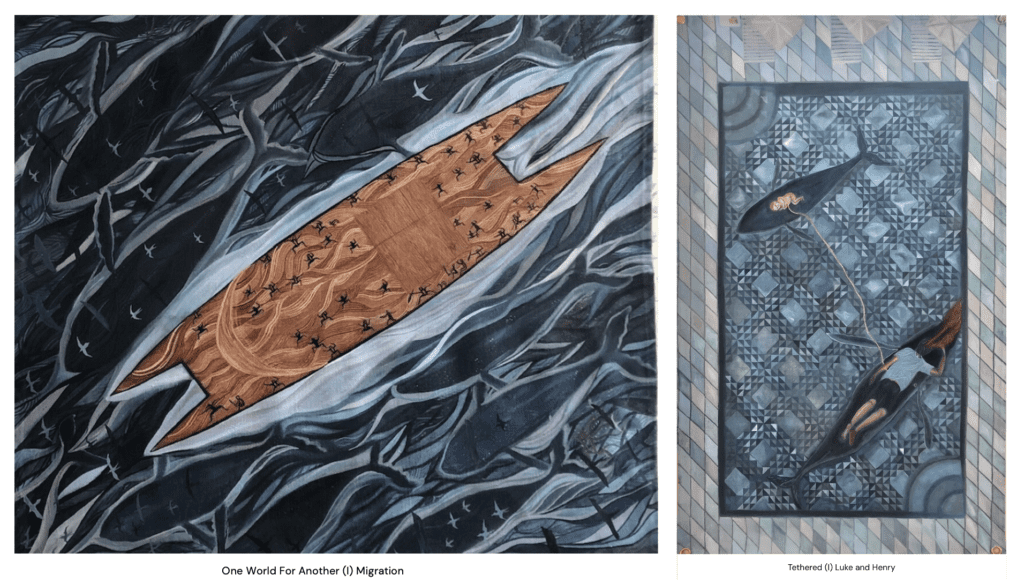
Paikea, the ancestror who arrived to Aotearoa riding a whale, a sacred land for humans and whales. Paikea, is also the embodiment of Tangaroa, the ocean god, and Paikea is the humpback whale. As human-whale-god identities intersect, time cascades through circular endlessness, connecting present, past, and future through spiraling interconnections.
Whales are ancestors, gods exist within the whales as both guides and protectors of humans, and humans are the guardians of these relations. The whales, being the messengers of wisdoms beyond time, and the holder of sacred connections to the sea, emerge to guide humans.
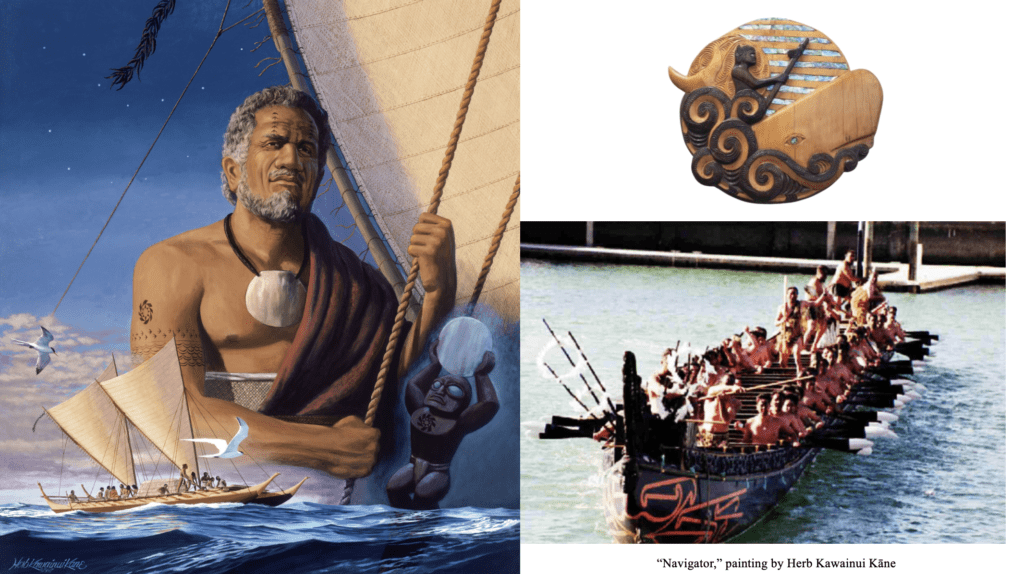
Māori people, historically masters of the waves and riders of intricately carved wakas (canoes), sailed the seas from Hawai’i to Aotearoa and back, finding pathways through the stars. (See below trailer of award winning documentary Whetu Marama: Bright Star, which tells the story of the reclamation and rediscovery of traditional Māori voyaging).
Māori people, historically masters of the waves and riders of intricately carved wakas (canoes), sailed the seas from Hawai’i to Aotearoa and back, finding pathways through the stars.
When storms would obscure the skies, whales would rise as guides, leading wakas and their people out of the high-rising waves. It is said that this is how Māori people first found Aotearoa, following the whales. “Tere Tohorā, Tere Tangata.”
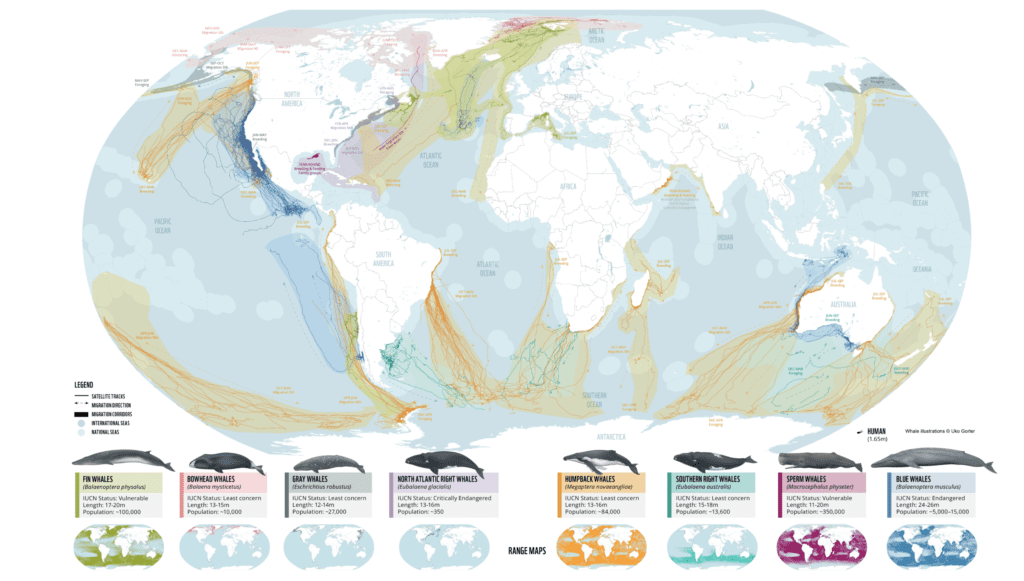
Whales, like many people, love the comforts of coastal waters: areas that are naturally calmer and prone to gathering. They migrate thousands and thousands of miles every year, moving from the cold feeding grounds to the warm waters of gorgeous islands where they mate, raise their offspring, rest, and gather.
Sometimes, after migrations, whales gift themselves to people, re-kindling pluri-generational of co-creation and co-existance. When a whale dies, they become part of the people, gifting their bodies and their presence to their people.
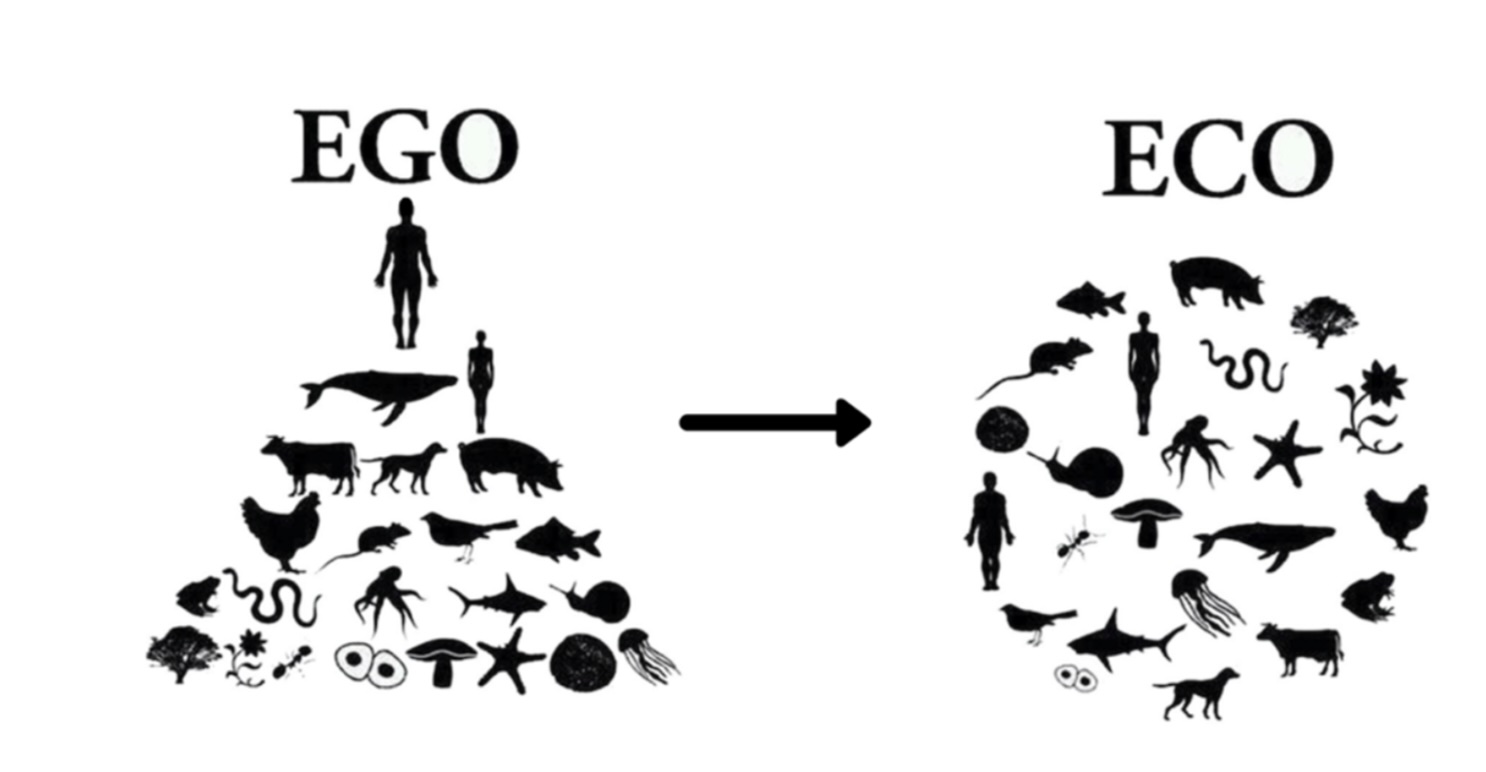
Whales in most non-Western, beyond European post-Enlightenment theories of personhood, have agency. Agency on their lives and on their death. When Makah, Iñupiat, Māori, and Tahitians say that “whales gift themselves,” they don’t mean it metaphorically. Their decision to sacrifice their lives to support their human community is a gift of reciprocity. It is the most sacred gift, not a sign of unintelligence or human superiority. This is important and central to many hunter-gatherer cultures: hunting is a ritual of belonging, not a symbol of humans’ power and superiority. This agency on death is at the core of human/more-than-human relations and fundamental to a transformation of the epistemic framework that positions humans above all other creatures.
Many books have been written about indigenous traditional hunting, which for some cultures, such as the Iñupiat and the Makah, continues to be the main sustenance of their people.
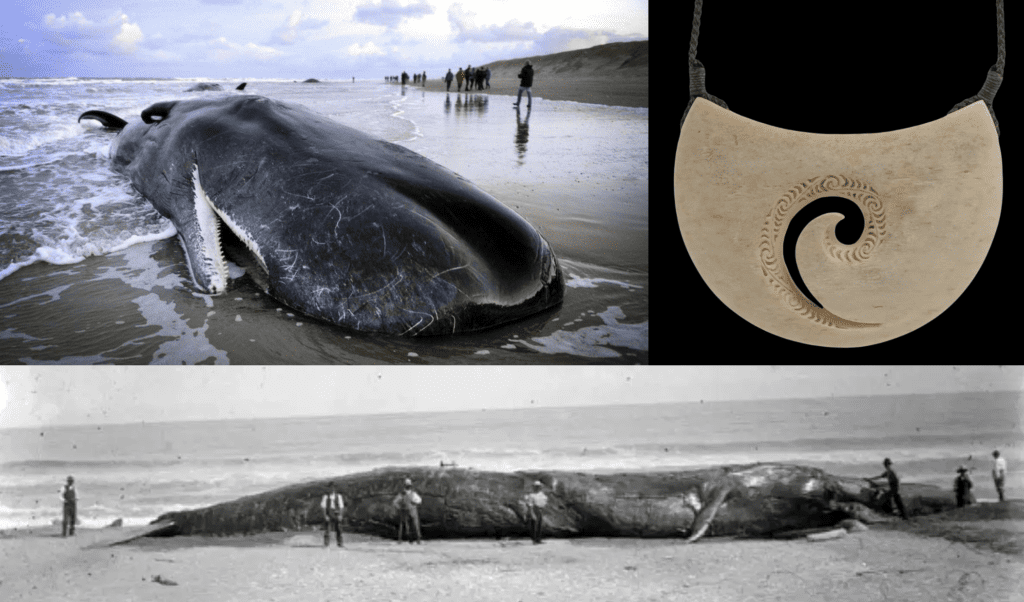
In Māori and other Polynesian cultures such as Tahitian and Hawaiian whales are in a relationship of reciprocity that traditionally does not involve hunting. The burial traditions from one place to another in the world are very different, as are the traditional practices that mediate human-whale relationships. Through the process of honoring their bodies, Māori harvest whale bones and teeth, which are “tapu,” sacred. And then bury their flesh.
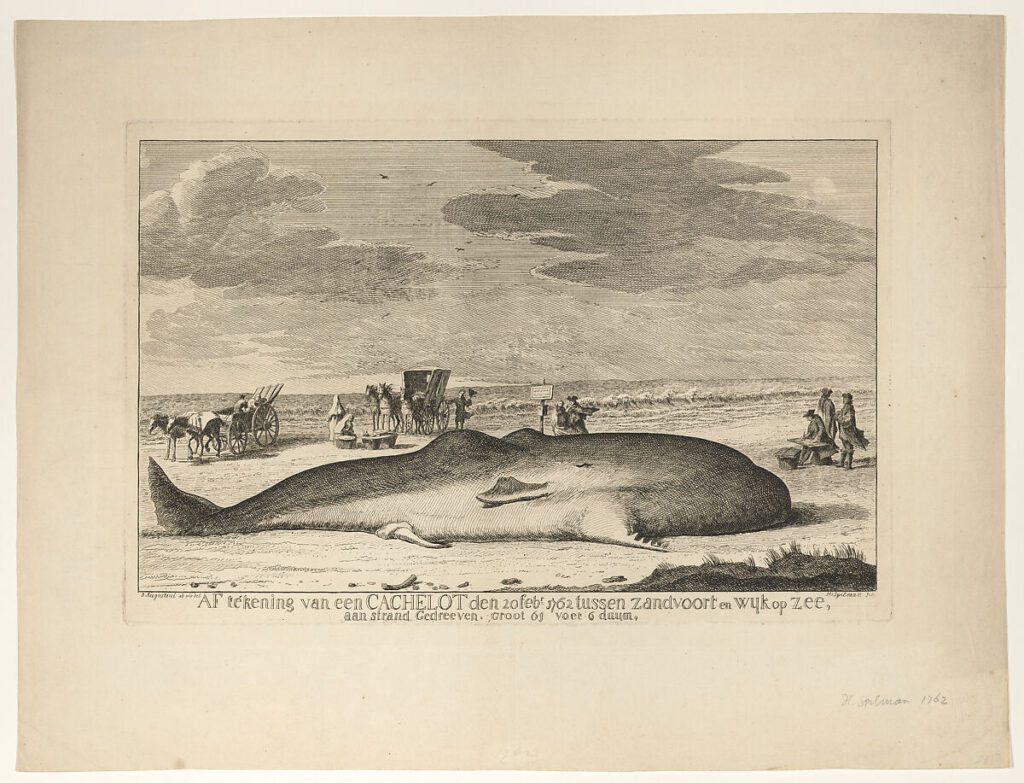
Stranded sperm whale, traditional “whakairo” Māori carving,
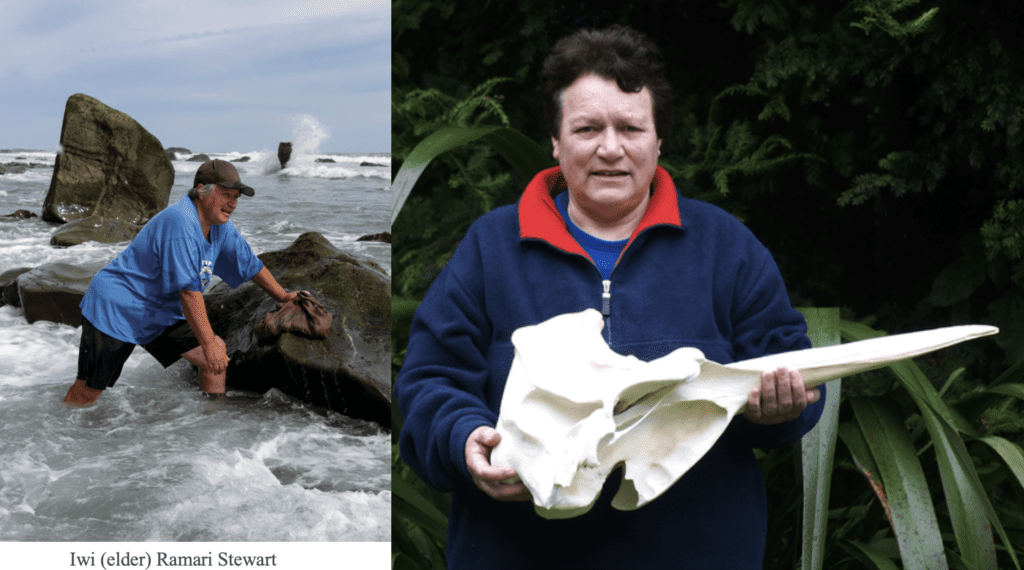
Iwi elder Ramari Stewart, who navigates the stormy waters of merging academic and traditional knowledge has led the path towards reviving the traditional honoring and harvesting of whale bones, these are “taonga,” treasures. She has led, the recovery and preparation of a family of nine orcas, the first one in the world, and forty pilot whales, creating a sacred collection for the community.
Ramari is a whale rider, a leader in the community that has a special relationship with whales. Since very young age, she has sought out whales and have had close experiences of them coming to greet them. Now she works on honoring their role in the community and tries to advance their rights.
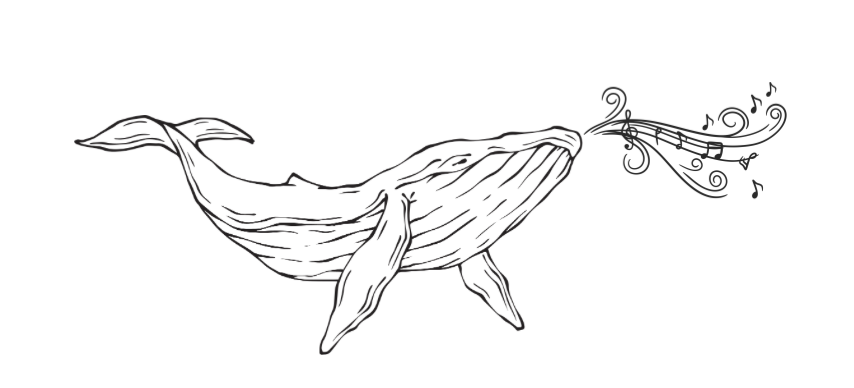
These relationships are also mediated through sound and whales are important holders of sacred ceremonial exchanges, including in hakas, traditional dances. While most foreigners know hakas as war dances in preparation for rugby games, hakas shape many of the communal relations between people and the more-than-human world. While attending a haka at the Auckland Memorial Museum of War, this past summer, the people sharing their practices explained that what they were offering was not a performance, it was a gift of connection. A prideful share of their culture to non-Māori people, to invite us into their customs, as a gift of connection. As they introduced us to glimpses of their culture, they explained that while clapping is a way of celebrating and showing appreciation among Pākehā (European New Zealanders) and foreigners, a way to honor the Māori way is to be in silence, hold hands on your heart, and show a sign of appreciation by bowing the head. Another way to show appreciation is the shaking of the hands, embodying the physical presence of mana, energy, and the intensity of that presence. Both ways show an embodied communal appreciation of receiving, honoring how the sharing enters the body, and becomes part of the witnesser.
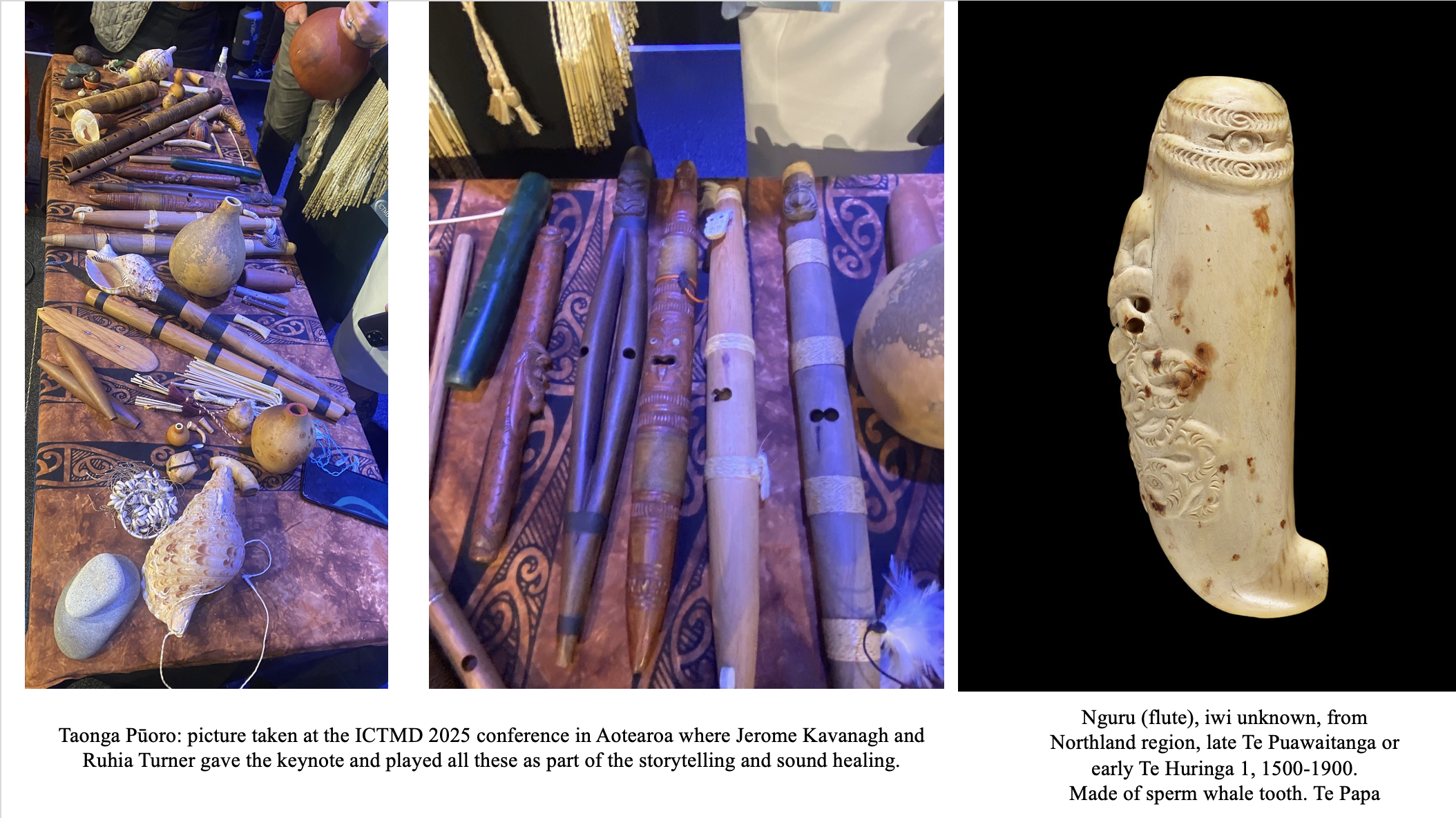
The latter is perhaps the most treasured Taoga Pūoro, traditional instrument. A carved single sperm whale tooth, the nguru is worn around the neck as symbol of status. Passed down through countless generations, these flutes continuously rekindle the interrelation of existence between human and whale, shaping identities as shared multi-dimensional, outside linear time, and singular existence.
Check out Māori Grammy award winnerpractitioner and composer Jerome Kavangh‘s explanation of traditional Taonga Pūoro.
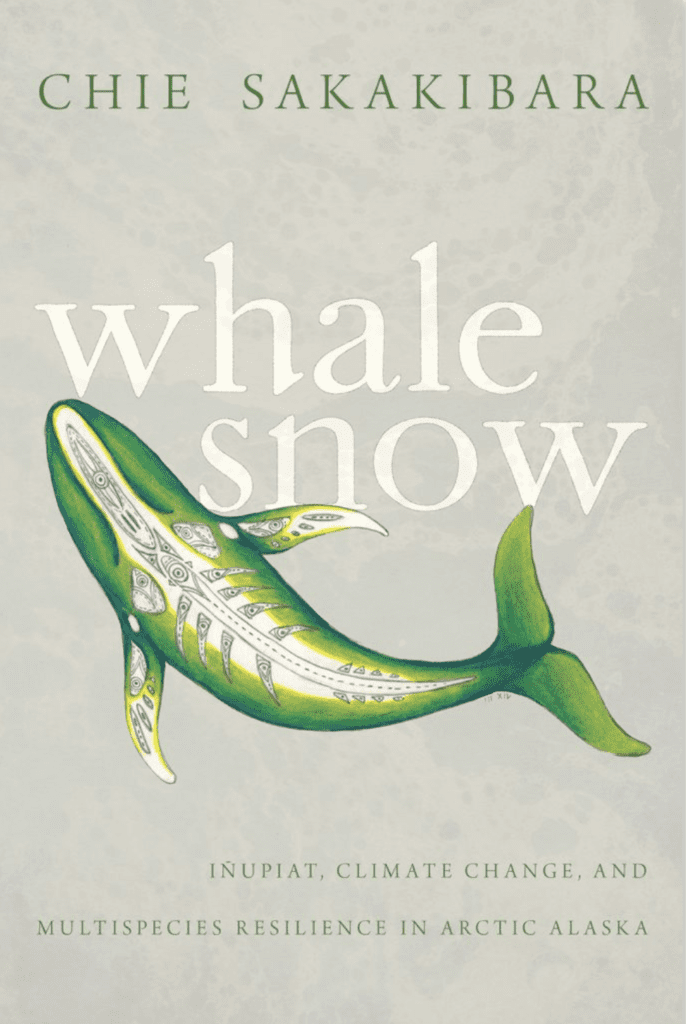
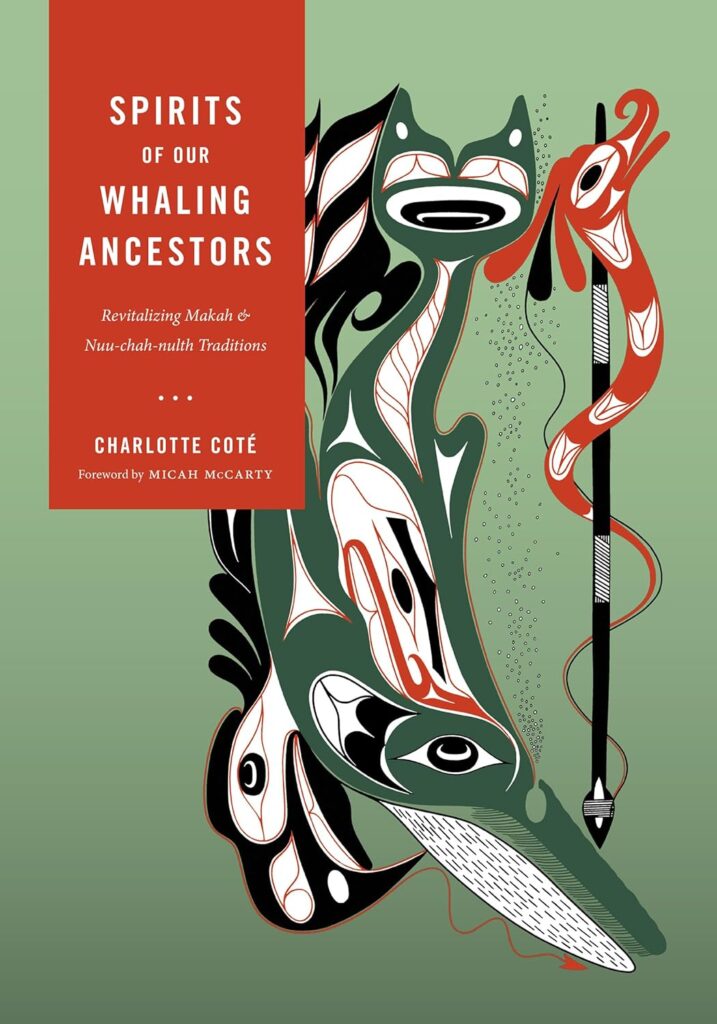
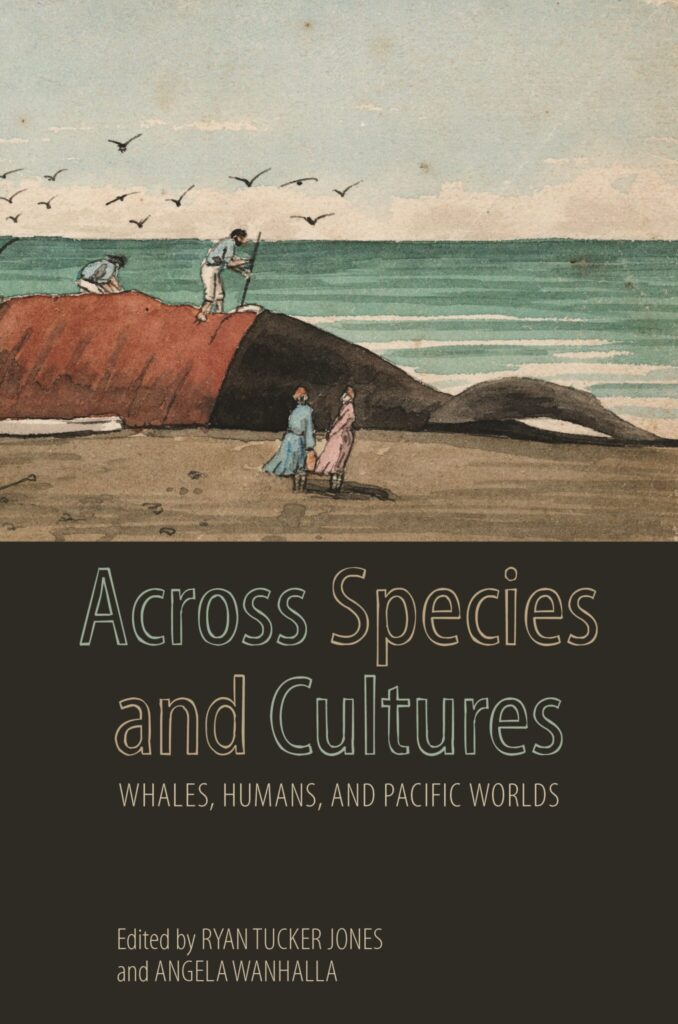
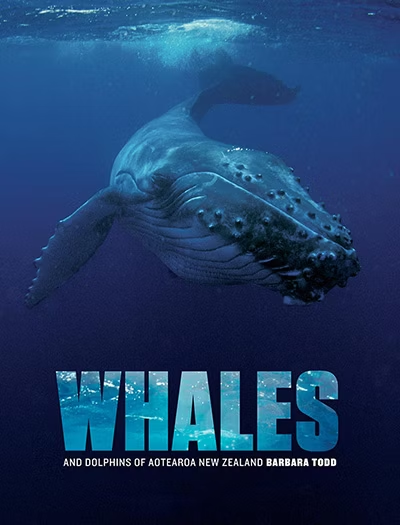
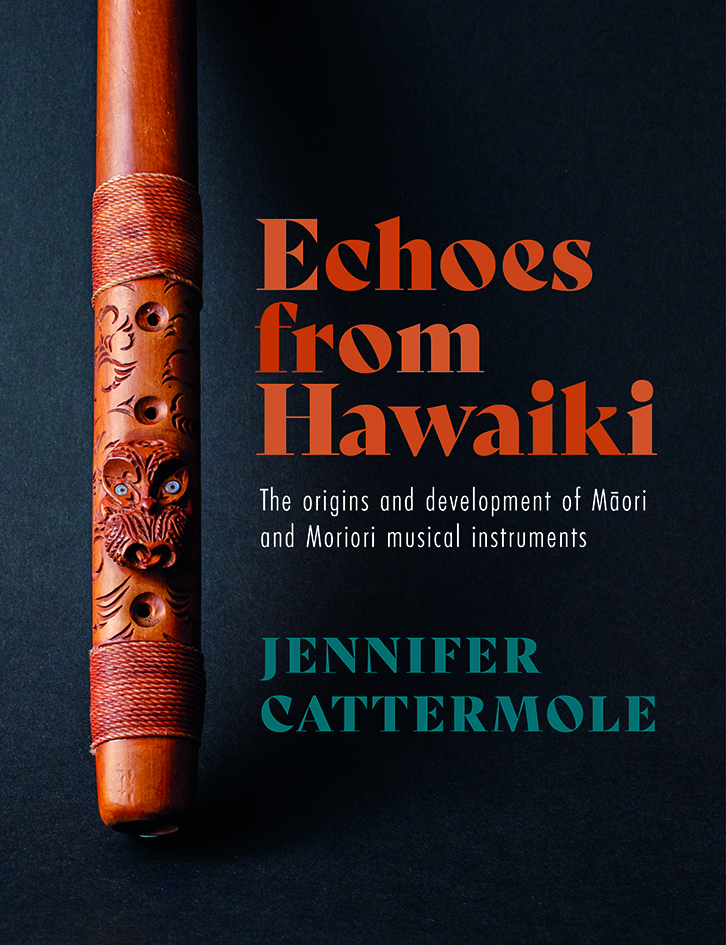
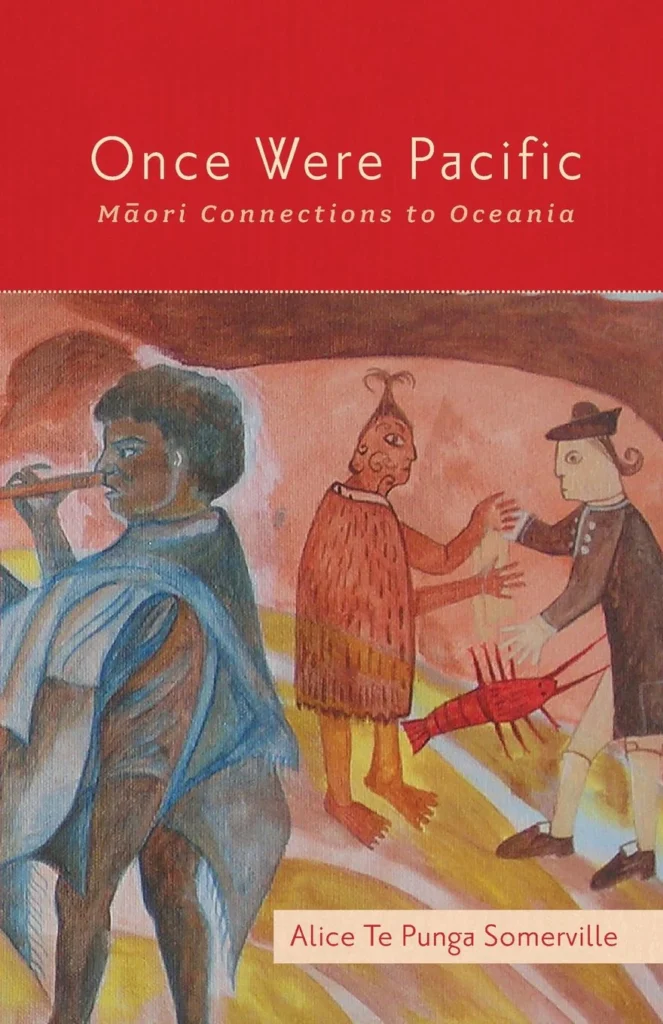
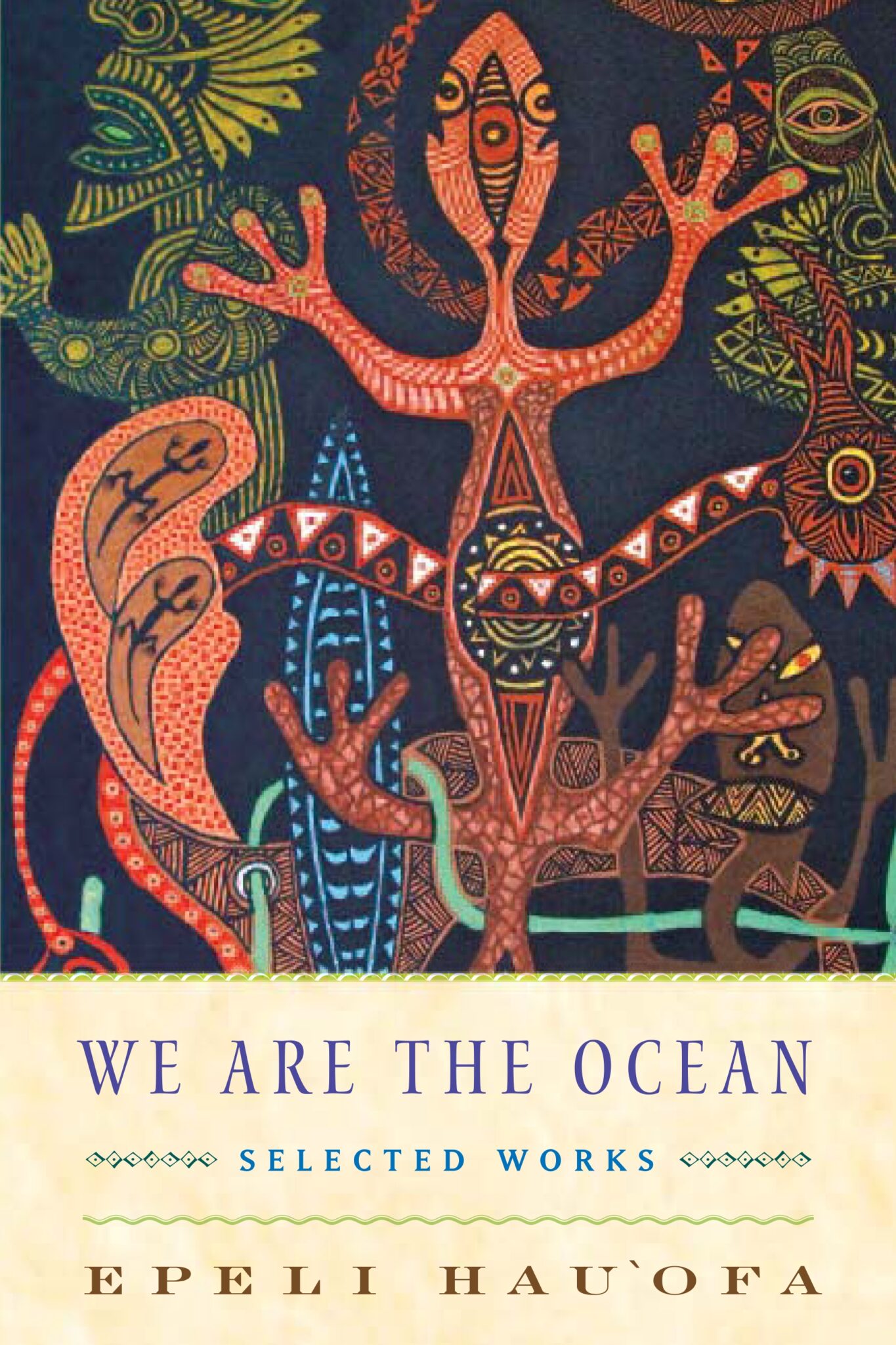
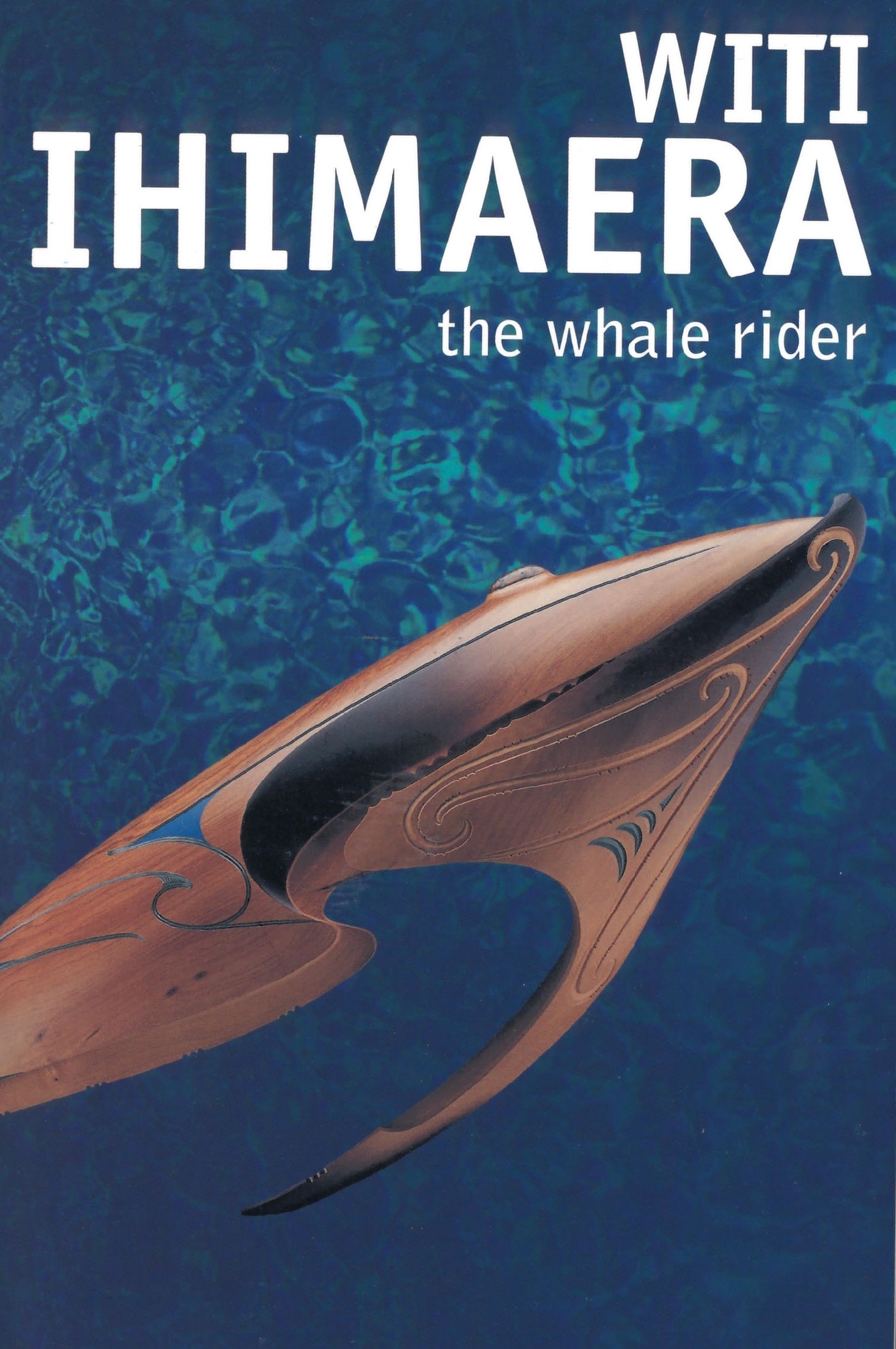
Cosmological relationships between humans, whales, and the ocean are at the core of many Polynesian cultures. These books explore the many ways in which whales emerge as guides, kin, and ancestors.
To be continued…